
Planning a safari in Uganda can feel overwhelming, especially if it is your first visit to East Africa. From choosing the right national parks and securing gorilla permits to understanding costs, accommodation options, and the best time to travel, there are many decisions to make before booking your trip.
Uganda offers one of Africa’s most diverse safari experiences. Visitors can track mountain gorillas in ancient rainforests, search for wild chimpanzees, enjoy classic wildlife safaris, cruise along the Nile, explore spectacular landscapes, and experience vibrant local cultures, all within a single journey.
This Uganda Safari Planning Guide brings together everything you need to know before you visit. Whether you are considering a short safari focused on gorilla trekking or a comprehensive journey across the country’s most iconic destinations, this guide will help you plan a rewarding and well-paced adventure.
Uganda offers a safari experience unlike anywhere else in Africa. While many destinations are known for a single highlight, Uganda combines extraordinary wildlife encounters, diverse landscapes, rich cultures, and remarkable primate experiences within one relatively compact country.
The greatest attraction for many visitors is the opportunity to experience gorilla trekking in Uganda, one of the most sought-after wildlife activities in the world. Coming face-to-face with a family of mountain gorillas in the forests of Bwindi Impenetrable National Park or Mgahinga Gorilla National Park is an experience that few destinations can offer.
Uganda is also one of the best places in Africa for chimpanzee tracking, with Kibale Forest National Park supporting one of the highest concentrations of chimpanzees on the continent. The chance to combine gorilla trekking and chimpanzee tracking within a single itinerary is one of Uganda’s greatest advantages over many other safari destinations.
Beyond its primates, Uganda offers exceptional wildlife viewing. Visitors can enjoy game drives among elephants, lions, buffaloes, giraffes, leopards, and numerous antelope species in parks such as Queen Elizabeth National Park, Murchison Falls National Park, and Kidepo Valley National Park. Boat safaris along the Kazinga Channel and the Nile River provide additional opportunities to observe wildlife from a different perspective.
Uganda is equally rewarding for birdwatchers, photographers, adventure travellers, and cultural enthusiasts. From the snow-capped peaks of the Rwenzori Mountains National Park to the peaceful waters of Lake Bunyonyi, the country offers an impressive variety of landscapes that continually surprise first-time visitors.
Another reason travellers choose Uganda is value. Compared to several other African safari destinations, Uganda allows visitors to enjoy a broader range of experiences within a single journey while maintaining excellent standards of guiding, accommodation, and service. Whether you are planning a short wildlife adventure or a comprehensive Luxury Uganda Safari, there are options to suit different interests, travel styles, and budgets.
Perhaps most importantly, Uganda remains one of Africa’s most authentic safari destinations. Visitor numbers are lower than in many neighbouring countries, allowing for a more personal experience and a stronger connection with both nature and local communities.
One of Uganda’s greatest strengths is the diversity of experiences available across its national parks and protected areas. Each destination offers something unique, making it possible to design an itinerary that matches your interests, available time, and travel style.
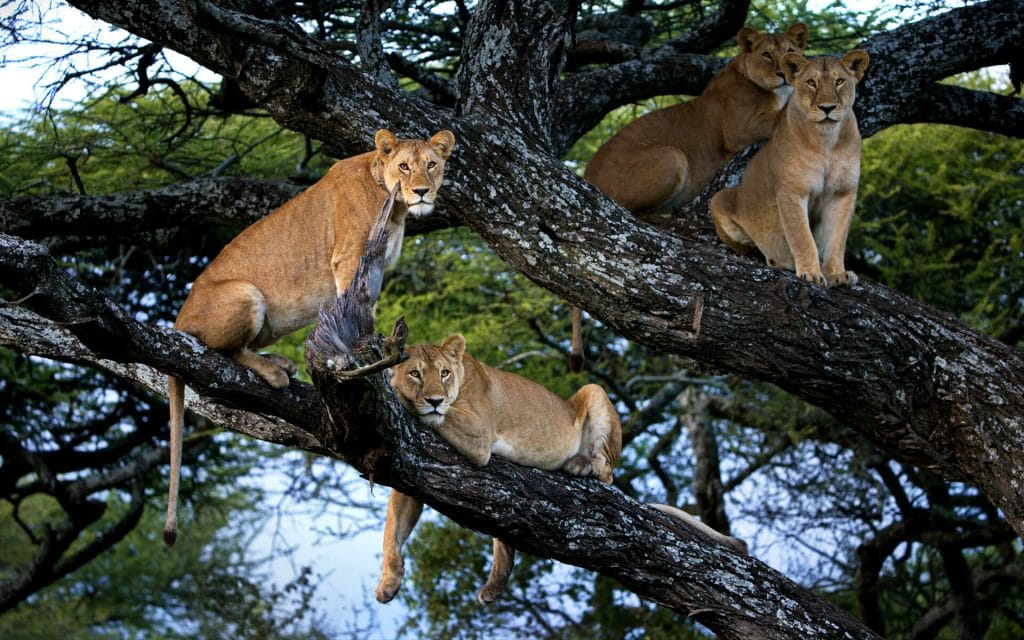
Located in southwestern Uganda, Bwindi Impenetrable National Park is the country’s most famous safari destination and one of the best places in the world to see mountain gorillas. Home to nearly half of the world’s remaining mountain gorilla population, the park attracts visitors seeking one of Africa’s most remarkable wildlife encounters.
In addition to gorilla trekking, Bwindi offers beautiful rainforest scenery, excellent birdwatching, nature walks, and cultural experiences with local communities. Most visitors spend two to three nights in the area as part of a broader safari itinerary.
Known as the primate capital of East Africa, Kibale Forest National Park is the premier destination for chimpanzee tracking in Uganda. The park protects a rich tropical rainforest ecosystem that supports 13 primate species, including chimpanzees, black-and-white colobus monkeys, red-tailed monkeys, and L’Hoest’s monkeys.
Kibale is often combined with Queen Elizabeth National Park and Bwindi, creating one of Uganda’s most popular safari circuits.
Covering nearly 2,000 square kilometres, Queen Elizabeth National Park is Uganda’s most diverse safari destination. The park combines open savannah, crater lakes, wetlands, forests, and the famous Kazinga Channel, creating exceptional opportunities for wildlife viewing.
Visitors can enjoy game drives, boat safaris, birdwatching, chimpanzee tracking in Kyambura Gorge, and the chance to see the famous tree-climbing lions of Ishasha. Its central location makes it an ideal link between Kibale Forest and Bwindi.
As Uganda’s largest national park, Murchison Falls National Park offers some of the country’s finest wildlife viewing. The park is centred around the mighty Nile River, where the water is forced through a narrow gorge before plunging dramatically into the river below.
Game drives reveal elephants, giraffes, lions, buffaloes, antelopes, and numerous bird species, while boat cruises provide excellent opportunities to observe hippos, crocodiles, and wildlife along the riverbanks.
Remote, wild, and spectacularly scenic, Kidepo Valley National Park is often regarded as Uganda’s most rewarding safari destination. Located in the country’s far northeast, the park offers vast savannah landscapes, dramatic mountain backdrops, and some of Uganda’s best predator viewing.
Its isolation means fewer visitors and a stronger sense of wilderness, making it particularly appealing to experienced safari travellers.
Located approximately four hours from Kampala, Lake Mburo National Park is Uganda’s smallest savannah national park but one of its most accessible. The park is famous for zebras, giraffes, impalas, and a variety of activities rarely available elsewhere in Uganda.
Visitors can enjoy walking safaris, horseback safaris, cycling excursions, game drives, and boat cruises. It is often included as the final stop on safaris through southwestern Uganda.
Situated within the Virunga Mountains, Mgahinga Gorilla National Park offers a quieter alternative to Bwindi for gorilla trekking. The park is also the only place in Uganda where visitors can track endangered golden monkeys.
Volcano hiking, breathtaking mountain scenery, and rich cultural experiences make Mgahinga an excellent addition to a Uganda or Uganda-Rwanda safari.
Known as the Mountains of the Moon, Rwenzori Mountains National Park protects Africa’s highest mountain range. The park is renowned for its challenging trekking routes, glaciers, waterfalls, and unique alpine landscapes.
While it attracts fewer visitors than Uganda’s wildlife parks, it is one of Africa’s premier destinations for mountain trekking and adventure travel.
Located in western Uganda along the border with the Democratic Republic of Congo, Semuliki National Park protects a section of the ancient Congo Basin rainforest. The park is famous for the Sempaya Hot Springs, rare bird species, and unique wildlife associated with Central African forests.
It is an excellent destination for birdwatchers, nature enthusiasts, and travellers looking to experience a different side of Uganda’s natural heritage.
Gorilla trekking is the highlight of many safaris in Uganda and one of the most extraordinary wildlife experiences available anywhere in the world. The opportunity to spend time with a family of wild mountain gorillas in their natural habitat attracts visitors from across the globe and remains Uganda’s most sought-after safari activity.
Uganda is home to nearly half of the world’s remaining mountain gorillas, making it one of only three countries where these endangered primates can be observed in the wild. Gorilla trekking takes place in two protected areas: Bwindi Impenetrable National Park and Mgahinga Gorilla National Park, both located in the country’s southwestern region.
The experience begins with a briefing by Uganda Wildlife Authority rangers before visitors set off into the forest in small groups. Guided by experienced trackers, participants follow signs left by the gorillas until the family is located. Depending on their movements, the trek may last anywhere from one to several hours.
Once the gorillas are found, visitors are allowed one hour in their presence. Watching a silverback interact with his family, juveniles play among the vegetation, and mothers care for their infants is a powerful and humbling experience that often becomes the highlight of an African safari.
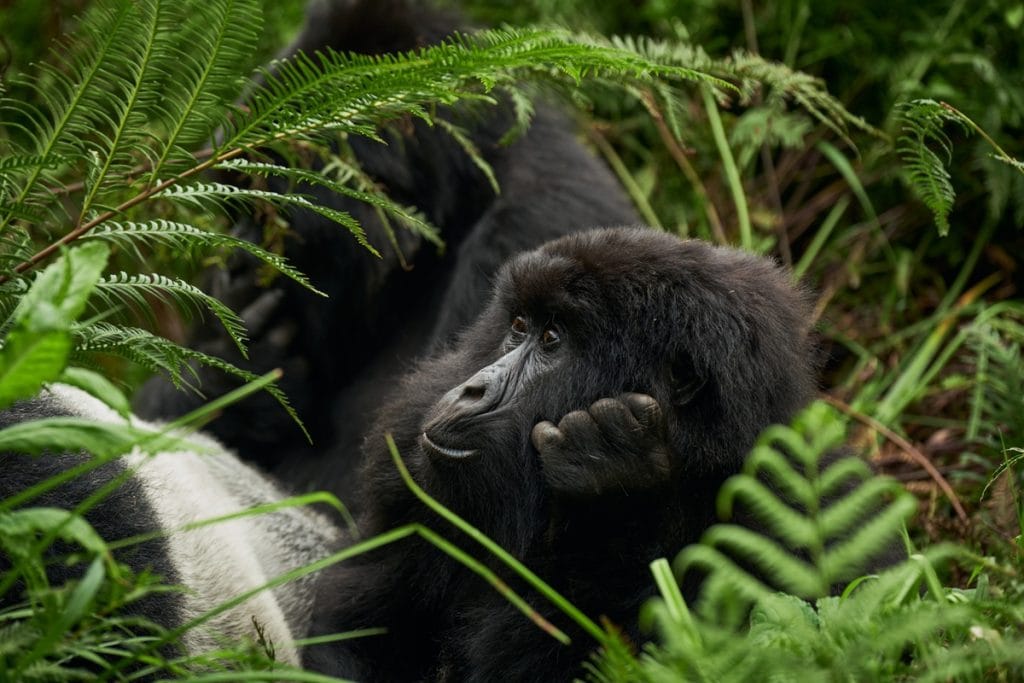
A gorilla permit is required for all gorilla trekking activities in Uganda. Permit availability is limited and demand is often high, particularly during the peak travel seasons. For this reason, securing permits well in advance is highly recommended.
The permit fee contributes directly to conservation efforts, park management, and community development initiatives surrounding gorilla habitats. Gorilla permits are issued and managed by the Uganda Wildlife Authority, which oversees Uganda’s protected areas and wildlife conservation programmes.
Most visitors choose Bwindi because it offers a larger number of habituated gorilla families and four trekking sectors: Buhoma, Ruhija, Rushaga, and Nkuringo. This provides greater flexibility when planning a safari.
Mgahinga, on the other hand, offers a quieter trekking experience within the spectacular Virunga Mountains and can be an excellent option for travellers seeking fewer crowds.
The difficulty of a gorilla trek varies depending on the location of the gorilla family on the day of your visit. Some treks may take less than an hour, while others require several hours of hiking through steep and densely forested terrain.
A reasonable level of fitness is recommended, but visitors of varying ages and abilities successfully complete gorilla treks every year. Porters are available to assist with carrying bags and provide additional support along the trail.
Because permits are limited and accommodation near the parks can fill quickly during peak seasons, gorilla trekking should usually be one of the first elements confirmed when planning a safari. Once permits are secured, the remainder of the itinerary can be built around the trekking dates.
For a complete breakdown of permit costs, trekking sectors, what to expect, and how to prepare, see our Complete Gorilla Trekking Guide.
While gorilla trekking often receives the most attention, chimpanzee tracking is one of Uganda’s most rewarding wildlife experiences and an activity that perfectly complements a gorilla safari. Observing wild chimpanzees in their natural habitat offers a fascinating insight into the behaviour, intelligence, and social dynamics of one of humanity’s closest relatives.
Uganda is home to an estimated 5,000 chimpanzees, making it one of the best destinations in Africa for chimpanzee tracking. The country’s tropical forests provide ideal habitats for these highly intelligent primates, and several locations offer opportunities to observe habituated communities.
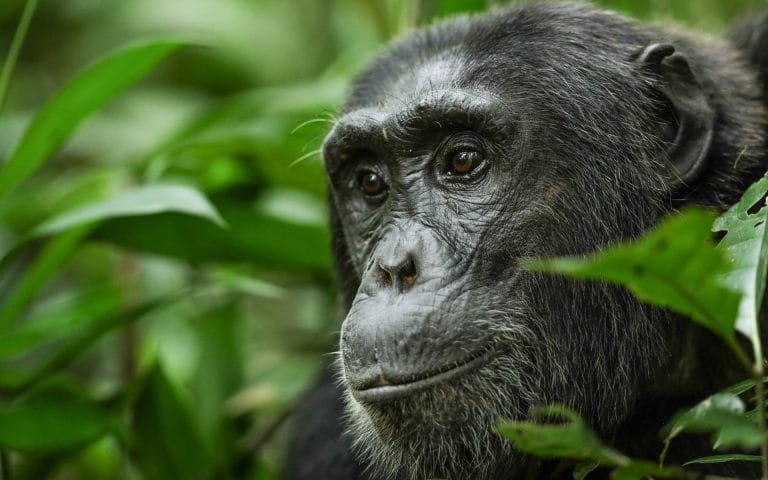
The most popular destination for chimpanzee tracking is Kibale Forest National Park, often referred to as the primate capital of East Africa. The park supports one of the highest densities of chimpanzees on the continent and offers excellent tracking success rates throughout the year.
Other chimpanzee tracking destinations include Budongo Forest in Murchison Falls National Park, Kyambura Gorge in Queen Elizabeth National Park, and several emerging conservation areas that contribute to chimpanzee protection and research.
One of the most common questions travellers ask when planning a safari in Uganda is how much time they need. The answer depends on your interests, budget, and travel style. While it is possible to experience Uganda’s highlights in just a few days, longer itineraries allow for a more relaxed pace and a broader exploration of the country’s diverse landscapes, wildlife, and cultures.
If you have limited time but want to experience Uganda’s most iconic attractions, a short safari can still be incredibly rewarding. These itineraries are ideal for travellers combining Uganda with other destinations, business visitors extending their stay, or those seeking a focused wildlife experience.
One of our most popular options is the 5 Day Exclusive Deluxe Safari, carefully designed for travellers who want to experience Uganda’s highlights within a limited timeframe. Despite its short duration, the safari includes chimpanzee tracking in Kibale Forest, gorilla trekking in Bwindi, a visit to the beautiful shores of Lake Bunyonyi, and wildlife viewing in Lake Mburo National Park.
This itinerary offers an excellent introduction to Uganda and combines the country’s two most sought-after wildlife experiences, gorillas and chimpanzees, within a well-paced journey.
Travellers with a week or slightly longer can enjoy a more comprehensive safari experience. This timeframe allows visitors to combine gorilla trekking, chimpanzee tracking, wildlife safaris, boat cruises, and cultural encounters without feeling rushed.
Popular itineraries often include Kibale Forest National Park, Queen Elizabeth National Park, Bwindi Impenetrable National Park, and Lake Mburo National Park. These safaris provide an excellent balance between primates, wildlife, scenery, and relaxation.
For travellers looking for a well-rounded safari experience, our 8 Day Primates and Wildlife Safari is an excellent choice. The itinerary combines chimpanzee tracking, gorilla trekking, game drives, boat safaris, and some of Uganda’s most celebrated national parks, making it one of the most popular options for first-time visitors.
For many travellers, this range offers the ideal balance between time and experience.
Travellers seeking a deeper understanding of Uganda should consider a safari lasting ten days or more. These itineraries allow visitors to explore multiple regions of the country while experiencing the full diversity of Uganda’s landscapes and wildlife.
Our flagship 14 Day Best of Uganda Safari is designed for travellers who want to experience the country’s most celebrated destinations. The itinerary includes Kidepo Valley National Park, Murchison Falls National Park, Kibale Forest National Park, Queen Elizabeth National Park, Bwindi Impenetrable National Park, and Lake Bunyonyi.
This journey combines exceptional wildlife viewing, gorilla trekking, chimpanzee tracking, cultural experiences, boat safaris, and some of Uganda’s most spectacular scenery. It is one of the most complete safari experiences available in East Africa.
Travellers with additional time can explore Uganda at a slower pace while incorporating destinations that are often overlooked on shorter itineraries. These may include the Rwenzori Mountains, Semuliki National Park, Mount Elgon, Ziwa Rhino Sanctuary, or cultural experiences in different regions of the country.
Extended safaris like our 15 days Luxury Safari provide greater flexibility, more opportunities for photography and birdwatching, and a deeper appreciation of Uganda’s extraordinary diversity.
Birdwatchers in particular benefit from longer itineraries. Our 16 Day Uganda Birding Safari has been carefully designed to explore Uganda’s most rewarding birding destinations, offering opportunities to search for Albertine Rift endemics, forest specialists, savannah species, and numerous water birds across a wide variety of habitats.
For travellers seeking the most comprehensive wildlife and birding experience Uganda has to offer, longer itineraries provide unmatched opportunities for exploration.
One of the advantages of Uganda as a safari destination is that it can be visited throughout the year. Thanks to its equatorial climate and varied landscapes, wildlife viewing, gorilla trekking, chimpanzee tracking, and birdwatching are possible in every season. However, certain times of the year may be better suited to specific activities and travel preferences.
The most popular time to visit Uganda is during the drier months, which generally occur from June to September and December to February.
These periods are often considered ideal for gorilla trekking and chimpanzee tracking because forest trails are typically less muddy and easier to navigate. Wildlife viewing in savannah parks is also excellent as animals tend to gather around water sources, making sightings more predictable.
For travellers interested in photography, the dry seasons often provide clearer skies and more comfortable safari conditions.
Uganda’s rainy seasons typically occur from March to May and October to November. While these months receive more rainfall, they should not be overlooked.
The countryside becomes exceptionally green and scenic, birdlife is at its peak, and many lodges offer attractive seasonal rates. Visitor numbers are generally lower, creating a more exclusive experience in many destinations.
Rainfall patterns vary across the country, and it is uncommon for rain to fall continuously throughout the day. Most showers are followed by periods of sunshine, allowing safari activities to continue as planned.
Gorilla trekking is possible throughout the year in both Bwindi Impenetrable National Park and Mgahinga Gorilla National Park.
The drier months are generally preferred because hiking conditions are more comfortable, but some travellers enjoy trekking during the wetter seasons when the forests are particularly lush and photography conditions can be exceptional.
Because permit availability often determines travel dates, many visitors choose to travel when permits are available rather than limiting themselves to a specific season.
Wildlife viewing is rewarding throughout the year, but the drier months generally offer the best conditions for game drives in parks such as Murchison Falls, Queen Elizabeth, Kidepo Valley, and Lake Mburo National Parks.
Vegetation tends to be less dense during these periods, making wildlife easier to spot, while animals often concentrate around rivers, waterholes, and wetlands.
Uganda is recognised as one of Africa’s premier birding destinations, with more than 1,090 recorded bird species.
Birdwatching is excellent year-round, but many enthusiasts prefer the wetter months when migratory species are present and breeding plumage is often at its most colourful. Forests, wetlands, and savannah habitats all provide exceptional opportunities for birding.
Travellers interested in a specialised birding experience may wish to consider our 16 Day Uganda Birding Safari, which explores many of the country’s most important birding hotspots
The best time to visit Uganda ultimately depends on your interests, travel style, and priorities. Whether you are planning a gorilla trekking adventure, a wildlife safari, a birding holiday, or a combination of experiences, Uganda offers rewarding travel opportunities throughout the year.
For a more detailed seasonal breakdown, including weather patterns, wildlife movements, and month-by-month recommendations, see our Best Time to Visit Uganda Guide.
One of the first questions travellers ask when planning a safari is, “How much does a Uganda safari cost?” The answer depends on several factors, including the length of the trip, accommodation category, number of travellers, transportation method, and the activities included in the itinerary.
The good news is that Uganda offers excellent value compared to many other African safari destinations. Visitors can enjoy world-class gorilla trekking, chimpanzee tracking, wildlife safaris, boat cruises, and luxury accommodation at a cost that is often lower than comparable experiences elsewhere on the continent.
Several factors determine the final price of a safari:
For many visitors, gorilla trekking is the single largest cost component of a safari. Permit fees contribute directly to conservation efforts and community development around gorilla habitats.
Because permits are limited, they should be secured well in advance, particularly during peak travel seasons.
Uganda offers accommodation options ranging from budget guesthouses and comfortable mid-range lodges to some of East Africa’s finest luxury safari properties.
Luxury lodges provide additional services such as private decks, premium dining experiences, spa treatments, exclusive locations, and personalised service, all of which influence overall safari costs.
The choice between road transfers and domestic flights can significantly affect the overall budget.
Road safaris are the most popular option and provide opportunities to enjoy Uganda’s landscapes and local communities along the way. Domestic flights reduce travel time and increase comfort, particularly for visitors with limited time.
Generally, longer safaris cost more overall but often provide better value on a per-day basis. Travellers spending ten to fourteen days in Uganda can experience a wider variety of destinations and activities while spreading fixed costs across a longer itinerary.
Private safaris typically become more cost-effective when shared between two or more travellers. The cost per person often decreases as the number of participants increases because vehicle and guide costs are shared.
Suitable for travellers prioritising experiences over luxury. Accommodation is comfortable but simple, and road transportation is usually used throughout the journey.
The most popular category among visitors to Uganda. These safaris balance comfort, location, quality guiding, and value for money while still providing excellent wildlife experiences.
Designed for travellers seeking exceptional comfort, personalised service, premium lodges, and carefully curated experiences. Luxury safaris often include exclusive properties, private guides, upgraded vehicles, and additional touches that enhance the overall journey.
Absolutely.
Few destinations allow travellers to combine mountain gorillas, chimpanzees, wildlife safaris, birdwatching, cultural encounters, and spectacular scenery within a single itinerary. This diversity creates exceptional value and is one of the reasons Uganda continues to attract visitors seeking a more varied safari experience.
Whether you are planning a short primate-focused safari or a comprehensive journey across the country, there are options available for a wide range of budgets and travel styles.
For a detailed breakdown of permit fees, accommodation categories, transportation costs, and sample safari budgets, explore our Uganda Safari Cost Guide.
Accommodation plays an important role in shaping the overall safari experience. Fortunately, Uganda offers a wide range of lodging options, from simple guesthouses and comfortable mid-range lodges to some of East Africa’s most exclusive safari properties.
The best choice depends on your budget, travel style, preferred destinations, and the type of experience you are seeking. Regardless of category, carefully selected accommodation can greatly enhance your comfort, convenience, and enjoyment while exploring Uganda.
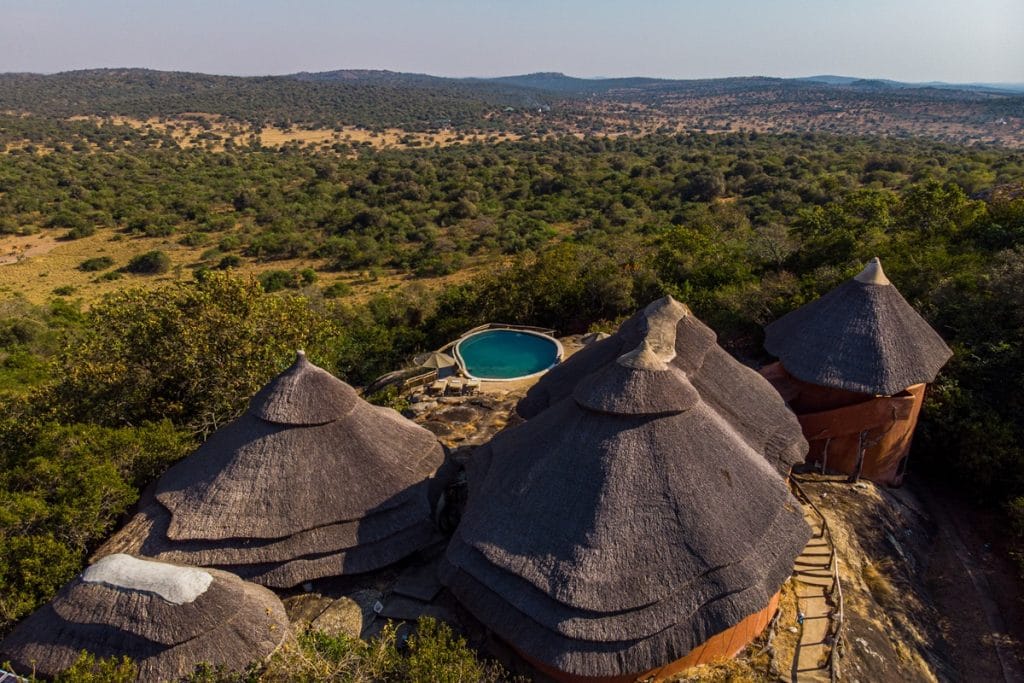
Uganda has developed an impressive collection of luxury lodges located in some of the country’s most sought-after destinations. Many of these properties combine exceptional service, beautiful settings, and close proximity to major attractions such as gorilla trekking, chimpanzee tracking, and wildlife viewing areas.
Luxury lodges often feature spacious cottages or suites, private verandas, premium dining experiences, personalised service, spa facilities, and breathtaking views of forests, lakes, or savannah landscapes.
For travellers seeking the highest level of comfort and exclusivity, a Luxury Uganda Safari offers the opportunity to experience Uganda’s wildlife while staying in carefully selected properties that complement the surrounding environment.
Mid-range lodges are the most popular choice among visitors to Uganda. These properties provide an excellent balance between comfort, location, service, and value for money.
Many mid-range lodges are strategically located near national parks, making it easy to access activities while maintaining a comfortable standard of accommodation. Guests can expect en-suite rooms, quality meals, attentive service, and attractive surroundings without the premium pricing of luxury properties.
For many travellers, this category delivers the ideal safari experience.
Budget accommodation provides a practical option for travellers seeking to maximise experiences while keeping costs manageable.
These properties are generally simpler in design and facilities but still offer clean rooms, welcoming hospitality, and convenient access to major attractions. Budget accommodation is particularly popular among backpackers, students, and travellers undertaking longer journeys through East Africa.
When choosing accommodation, location is often just as important as the standard of the property itself.
For example, travellers undertaking gorilla trekking may benefit from staying close to their designated trekking sector in Bwindi, while those visiting Queen Elizabeth National Park may prefer lodges overlooking the Kazinga Channel or wildlife-rich areas of the park.
A well-planned itinerary takes accommodation location into account, reducing unnecessary driving time and allowing more time to enjoy activities and relaxation.
At Deluxe Vacations, accommodation is chosen based on much more than star ratings alone. We carefully consider service quality, location, comfort, guest feedback, atmosphere, and overall value before recommending any property.
Our goal is to ensure that every lodge contributes positively to the overall safari experience, whether you are travelling on a luxury, mid-range, or tailor-made itinerary.
For travellers interested in the finest properties across the country, our guide to Luxury Safari Lodges in Uganda provides a closer look at some of the country’s most exceptional accommodation options.
Getting to Uganda is relatively straightforward, with regular international flights connecting the country to major cities across Africa, Europe, the Middle East, and beyond. Once in Uganda, travellers can choose between road transfers and domestic flights depending on their itinerary, budget, and preferred travel style.
Most international visitors arrive through Entebbe International Airport, Uganda’s main international gateway. Located on the shores of Lake Victoria, approximately 40 kilometres from Kampala, the airport serves as the starting point for the vast majority of safaris throughout the country.
Several international airlines operate regular flights to Entebbe, providing convenient connections from destinations such as Amsterdam, Brussels, Doha, Dubai, Istanbul, Nairobi, Kigali, Johannesburg, and Addis Ababa.
Travellers combining Uganda with Rwanda often begin their safari in Kigali before crossing into Uganda by road, particularly when visiting Bwindi Impenetrable National Park.
Most visitors require a visa to enter Uganda. The application process is generally straightforward and can be completed online before travel.
Many travellers visiting multiple East African countries choose the East African Tourist Visa, which allows travel between Uganda, Rwanda, and Kenya under a single visa arrangement.
Because visa regulations can change, it is always advisable to confirm the latest requirements before departure.
For detailed information, application procedures, and entry requirements, see our Uganda Visa Guide.
Uganda’s safari destinations are spread across different regions of the country, making transportation an important consideration during the planning process.
Most visitors travel between parks using customised 4×4 safari vehicles driven by experienced guides. While journeys can be longer than in some safari destinations, they often become part of the adventure, offering opportunities to experience Uganda’s landscapes, towns, villages, and daily life.
Road transfers also allow travellers to stop at points of interest such as the Equator, crater lakes, local markets, and scenic viewpoints along the way.
For travellers seeking greater comfort or wishing to maximise their time, domestic flights provide an excellent alternative to longer road journeys.
Scheduled and charter flights connect Entebbe with several safari destinations, including Kidepo Valley National Park, Murchison Falls National Park, Queen Elizabeth National Park, Bwindi, and other remote regions.
Domestic flights are particularly popular among luxury travellers and those with limited time available for their safari.
One of the most common misconceptions about Uganda is that destinations are located close together. While the country is relatively compact, travel times between parks can be significant due to road conditions and the varied terrain.
For example:
These travel times are important when deciding how many destinations can comfortably be included within a safari.
Both options have advantages.
Road safaris provide a deeper connection with the country and are often more cost-effective. They allow travellers to experience changing landscapes, local communities, and attractions between destinations.
Fly-in safaris reduce travel time considerably and maximise time spent enjoying activities. They are particularly suitable for luxury travellers, honeymooners, and visitors working within tighter schedules.
The right choice depends on your available time, budget, and preferred travel style. Many itineraries successfully combine both road and air transfers to create the best possible balance of comfort, efficiency, and experience.
Packing appropriately can make a significant difference to your comfort and enjoyment during a safari. Uganda’s climate varies depending on altitude, region, and the activities included in your itinerary. While temperatures are generally pleasant throughout the year, travellers should be prepared for both warm daytime conditions and cooler mornings or evenings, particularly in mountainous areas.
Fortunately, packing for Uganda does not require specialised equipment for most visitors. A few carefully selected items will ensure you are comfortable whether you are tracking gorillas, searching for chimpanzees, enjoying wildlife safaris, or exploring local communities.
Lightweight, breathable clothing is recommended for most safari activities. Neutral colours such as khaki, green, brown, and beige are generally preferred because they blend naturally with the environment and attract less attention from wildlife.
Long-sleeved shirts and lightweight trousers provide additional protection from insects, sun exposure, and vegetation during forest walks and primate tracking activities.
Travellers visiting higher-altitude destinations such as Bwindi or the Rwenzori Mountains should also pack a warm layer for cooler mornings and evenings.
Comfortable walking shoes are suitable for most safari activities, while sturdy hiking boots are highly recommended for gorilla trekking and chimpanzee tracking.
Forest trails can be steep, muddy, and uneven, particularly during the wetter months. Good footwear provides additional comfort and support during longer walks.
Rain is possible at any time of year in Uganda, especially in rainforest regions.
A lightweight waterproof jacket or rain poncho is strongly recommended for gorilla trekking, chimpanzee tracking, and other outdoor activities. Waterproof protection helps ensure that changing weather conditions do not affect your experience.
Several items can greatly improve comfort during your safari:
These items are particularly useful during game drives, boat cruises, and nature walks.
Travellers participating in gorilla trekking or chimpanzee tracking should consider bringing:
These items provide additional protection against vegetation, insects, and changing trail conditions.
Before travelling, ensure that important documents are easily accessible throughout your journey.
These typically include:
It is also advisable to carry digital copies stored securely online.
One of the most common mistakes travellers make is overpacking. Most lodges offer laundry services, making it unnecessary to bring large amounts of clothing.
Focus on practical, comfortable items that can be layered as temperatures change throughout the day. A lighter suitcase is easier to manage and allows more flexibility during your travels.
For a complete checklist covering gorilla trekking equipment, clothing recommendations, seasonal considerations, and photography gear, see our Uganda Safari Packing Guide.
One of the most common questions travellers ask before booking a safari is whether Uganda is a safe destination to visit. The simple answer is yes. Uganda has welcomed international visitors for decades and remains one of Africa’s most rewarding and accessible safari destinations.
Every year, thousands of travellers visit Uganda to experience gorilla trekking, chimpanzee tracking, wildlife safaris, birdwatching, cultural tours, and adventure activities. The country’s tourism industry is well established, and the main safari destinations are considered safe for visitors.
Uganda’s national parks are managed by the Uganda Wildlife Authority, which works closely with tourism stakeholders to ensure visitor safety. Activities such as gorilla trekking, chimpanzee tracking, game drives, and boat safaris are conducted under the supervision of trained guides, rangers, and park staff.
Gorilla trekking, in particular, is highly organised, with experienced rangers accompanying visitors throughout the experience. Safety briefings are conducted before activities begin, and clear guidelines are followed to protect both visitors and wildlife.
Most safari visitors travel with a professional guide and private safari vehicle, making transportation safe, comfortable, and convenient. Experienced guides not only provide valuable knowledge about the country’s wildlife and culture but also help ensure a smooth and stress-free journey between destinations.
Road networks connecting major safari parks continue to improve, while domestic flights offer additional convenience for travellers visiting more remote regions such as Kidepo Valley National Park.
As with any international destination, travellers should seek up-to-date travel health advice before departure. Recommended vaccinations, malaria prevention measures, and travel insurance should be discussed with a healthcare professional prior to travel.
Simple precautions such as drinking bottled or filtered water, using insect repellent, and following your guide’s advice contribute to a safe and enjoyable safari experience.
Uganda is widely recognised for the friendliness and hospitality of its people. Visitors frequently comment on the warm welcome they receive throughout the country, whether in cities, villages, lodges, or national parks.
Respect for local customs, cultures, and communities helps create positive interactions and enriches the overall travel experience.
Like any destination, Uganda benefits from sensible travel habits. Travellers should keep valuables secure, remain aware of their surroundings in busy urban areas, and follow the advice of their guides and accommodation providers.
For safari travellers, most logistics are handled by their tour operator, allowing them to focus on enjoying the experience rather than worrying about day-to-day arrangements.
Having guided visitors throughout Uganda for many years, we continue to see travellers leave with lasting memories of the country’s wildlife, landscapes, and people. For most visitors, Uganda proves to be not only safe but also welcoming, authentic, and remarkably rewarding.
For a more detailed overview of safety, health considerations, and practical travel advice, read our Is Uganda Safe for Tourists? guide.
The cost of a Uganda safari varies depending on the length of the trip, accommodation category, number of travellers, transportation method, and activities included. Budget safaris typically cost less than luxury safaris, while gorilla permits and domestic flights can significantly influence the overall price.
We recommend booking as early as possible, especially if your itinerary includes gorilla trekking. Gorilla permits are limited and can sell out months in advance during peak travel seasons. Booking early also provides access to the best accommodation options and flight availability.
The difficulty of gorilla trekking varies depending on the location of the gorilla family on the day of your trek. Some treks may last less than an hour, while others can take several hours through steep and forested terrain. Most visitors with a reasonable level of fitness successfully complete the experience.
The minimum age for gorilla trekking in Uganda is 15 years. This regulation helps protect both visitors and the gorillas while ensuring participants can comfortably complete the trek.
Yes. In fact, many visitors choose to combine the two experiences. A typical itinerary includes chimpanzee tracking in Kibale Forest National Park followed by gorilla trekking in Bwindi Impenetrable National Park, creating an exceptional primate-focused safari.
The ideal duration depends on your interests. A short safari can be completed in 3–5 days, while 8–10 days allows visitors to combine primates and wildlife. Travellers seeking a comprehensive experience often choose itiner
aries lasting 10–14 days or longer to fully explore the country’s major national parks and attractions.
Uganda can be visited throughout the year. However, the drier seasons from June to September and December to February are generally considered the best periods for gorilla trekking, chimpanzee tracking, and wildlife safaris.
Most international visitors require a visa to enter Uganda. Many travellers apply online before departure, while others may be eligible for the East African Tourist Visa, which allows travel between Uganda, Rwanda, and Kenya.
Absolutely. Uganda is an excellent destination for first-time safari visitors because it combines wildlife viewing, primate encounters, beautiful scenery, and cultural experiences within a single country. Travelling with an experienced guide makes the experience even more enjoyable and stress-free.
Yes. Many visitors choose to combine Uganda and Rwanda, particularly for gorilla trekking and cultural experiences. Starting a safari in Kigali and ending in Entebbe, or vice versa, is a popular and practical routing.
Compared to many safari destinations in East Africa, Uganda generally receives fewer visitors. This often results in a more exclusive and intimate safari experience, particularly in destinations such as Kidepo Valley National Park, Mgahinga Gorilla National Park, and several birding locations.
Uganda is home to an impressive diversity of wildlife. Depending on the destinations visited, travellers may encounter mountain gorillas, chimpanzees, elephants, lions, buffaloes, giraffes, leopards, hippos, crocodiles, zebras, numerous antelope species, and over 1,090 bird species.
Yes. Scheduled and charter flights connect Entebbe with several safari destinations, including Bwindi, Queen Elizabeth, Murchison Falls, and Kidepo Valley National Parks. Domestic flights are particularly popular among travellers seeking to reduce driving time.
Uganda is widely regarded as one of Africa’s premier birding destinations. With more than 1,090 recorded bird species and a wide variety of habitats, the country offers exceptional opportunities for both casual birdwatchers and dedicated birding enthusiasts.
Yes. Most safaris can be tailored to suit individual interests, travel dates, budgets, accommodation preferences, and activity choices. Whether you are interested in gorilla trekking, wildlife photography, birdwatching, cultural experiences, or luxury travel, itineraries can be designed around your specific goals.
Essential items include lightweight clothing, a waterproof jacket, comfortable walking shoes or hiking boots, insect repellent, sunscreen, binoculars, a camera, and personal medications. Additional items may be recommended depending on your chosen activities and travel season.
Uganda offers one of Africa’s most diverse and rewarding safari experiences. From tracking mountain gorillas in ancient rainforests and observing wild chimpanzees in tropical forests to enjoying classic wildlife safaris, boat cruises, birdwatching, cultural encounters, and breathtaking scenery, the country provides an incredible variety of experiences within a single destination.
The key to a successful safari is careful planning. Choosing the right destinations, securing permits in advance, selecting suitable accommodation, and allowing enough time to enjoy each location can make a significant difference to your overall experience.
If you have limited time, our 5 Day Exclusive Deluxe Safari offers an excellent introduction to Uganda, combining chimpanzee tracking, gorilla trekking, Lake Bunyonyi, and Lake Mburo National Park within a well-paced itinerary. Alternatively you can pick on Our 7 day Signature Deluxe Safari
For travellers seeking a more comprehensive journey, our 14 Day Best of Uganda Safari showcases the country’s most iconic destinations, including Kidepo Valley National Park, Murchison Falls National Park, Kibale Forest National Park, Queen Elizabeth National Park, Bwindi Impenetrable National Park, and Lake Bunyonyi.
Whether you are planning your first safari in Africa, a luxury honeymoon, a birding adventure, a photography expedition, or a tailor-made family holiday, Uganda offers something truly special.
Our team has extensive experience designing privately guided safaris throughout Uganda and Rwanda and would be delighted to help you create an itinerary that matches your interests, travel style, and budget.
Ready to start planning? Visit our Contact Us page or get in touch with our safari specialists to begin designing your ideal Uganda safari.