
Is Uganda safe for tourists? In most cases, yes. Like many destinations, Uganda requires normal travel awareness, but the vast majority of safari travelers visit safely and experience the country without incident. National parks, lodges, and major tourism routes are generally calm, well established, and supported by experienced guides and operators.
Before Sherri traveled to Uganda from the United States, she nearly cancelled her safari.
Friends had warned her about Ebola in the neighbouring Congo. Social media posts about Uganda’s elections had made her uneasy. Online conversations painted a picture of instability and health risks that felt difficult to ignore from thousands of miles away.
We spoke several times before her trip. We explained that the Ebola stories she had seen were linked to isolated outbreaks in parts of neighboring Congo, not Uganda’s safari circuit. We also discussed how tourism in Uganda continues normally even during politically active periods, with national parks, lodges, and tourism routes remaining calm and well managed.
Eventually, she decided to come.
At the end of her safari, after seeing mountain gorillas in Bwindi Impenetrable National Park, cruising along the Kazinga Channel in Queen Elizabeth National Park, and spending evenings at quiet safari lodges surrounded by nature, she said something simple:
“I’m happy I listened to you. I would have missed such a wonderful experience.”
Her concerns are not unusual.
One of the most common questions travelers ask while planning a Uganda safari is:
Uganda is generally considered safe for tourists, especially those visiting established safari destinations such as Bwindi Impenetrable National Park, Queen Elizabeth National Park, Kibale National Park, and Murchison Falls National Park. Most travelers visit Uganda without major issues, particularly when traveling with reputable safari operators and following standard travel precautions.
Like travel anywhere in the world, visiting Uganda still requires preparation, awareness, and realistic expectations. Understanding the difference between headlines and the actual experience on the ground is important.
Why Uganda Is Often Misunderstood
Many international travelers consume information about Africa as though it were a single country. News stories from one region are often generalized across the continent.
Africa is vast. Conditions in one country may have little connection to another. Even within a country, situations can differ greatly between urban centers, border regions, and tourism areas.
Uganda’s main tourism destinations are largely centered around protected national parks, conservation areas, lakes, forests, and rural safari regions. These include places such as Queen Elizabeth National Park, Kibale National Park, Lake Mburo National Park, and Bwindi Impenetrable National Park.
These tourism circuits operate year-round and are supported by:
- licensed safari guides,
- organized tourism infrastructure,
- ranger presence,
- conservation authorities,
- and experienced hospitality teams.
Most travelers are often surprised by how peaceful and relaxed the safari experience feels once they arrive.
Arriving in Uganda: What Travelers Should Expect in Entebbe
Most international travelers arrive through Entebbe International Airport, Uganda’s main international gateway located along the shores of Lake Victoria.
Entebbe is generally calm and relaxed compared to many larger African cities and serves as the starting point for most Uganda safaris. Many travelers spend their first or final night there before heading into the national parks.
The town is home to comfortable hotels, lakeside restaurants, botanical gardens, and nearby experiences such as the Mabamba Shoebill excursion, Ngamba Island Chimpanzee Sanctuary, and sunset cruises on Lake Victoria.
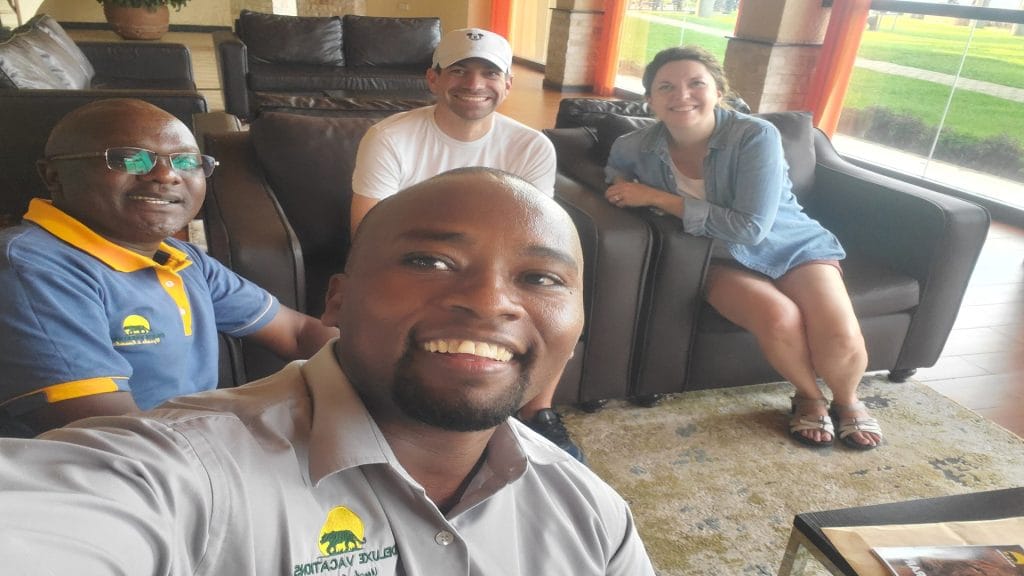
For many travelers, one of the biggest anxieties is simply arriving in a new country for the first time. To help make the arrival experience smoother and more reassuring, some established safari operators, like Deluxe Vacations Uganda, arrange personalized airport assistance and complimentary VIP meet-and-greet services for guests upon arrival.
Simple touches like these often help travelers feel comfortable from the very beginning of their journey.
Many travelers tell us their concerns disappear the moment they are welcomed at the airport.
Is Uganda Safe During Elections?
Another common concern involves elections and political activity, and usually brings the question; Is Uganda safe to visit?
Uganda, like many countries, can experience periods of political tension, particularly during election seasons. Demonstrations or public gatherings sometimes occur in parts of major towns or cities.
However, safari travelers are typically far removed from these environments.
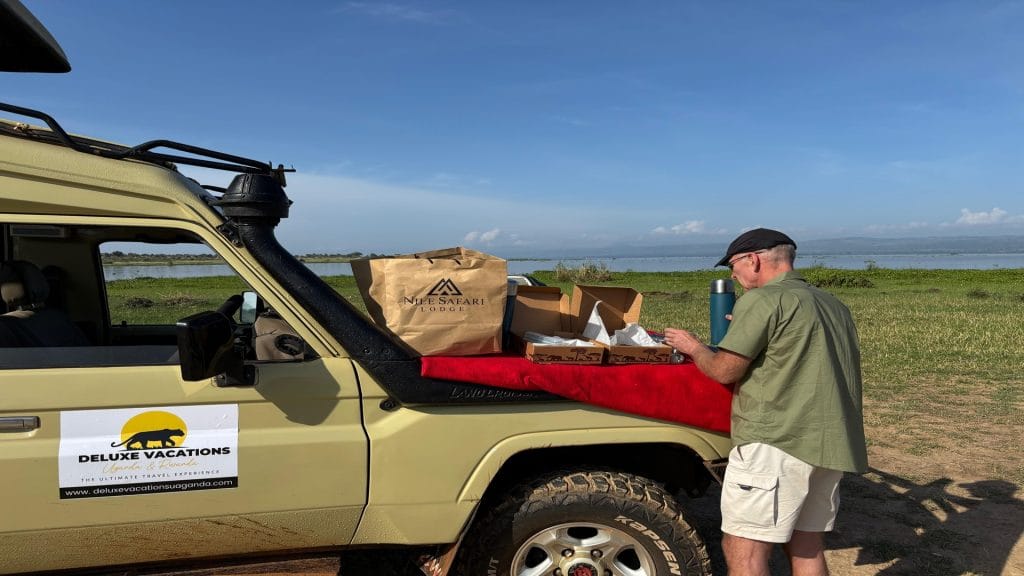
Most safaris take place in national parks and remote conservation areas, often many hours away from urban political activity. Travelers spend their time tracking gorillas in mountain forests, searching for lions on game drives, or relaxing at lodges overlooking rivers and savannah plains.
Tourism is also an important part of Uganda’s economy. Authorities and tourism stakeholders place considerable emphasis on maintaining stability and security within tourism regions.
Experienced safari operators closely monitor local developments and adjust logistics if necessary. In practice, most travelers on organized safaris experience little to no disruption during their trip.
That does not mean travelers should ignore official travel advisories or current information. Responsible travel always involves staying informed. But it is equally important not to confuse isolated political events with the day-to-day reality of Uganda’s tourism sector.
Health Concerns and Ebola Misconceptions
Health concerns are another area where context matters.
When Ebola outbreaks occur in parts of Central Africa, international headlines often create understandable anxiety. Travelers researching Uganda sometimes assume the entire region is affected.
In reality, outbreaks are usually highly localized and monitored aggressively by health authorities.
Uganda has developed substantial experience in infectious disease surveillance and response over the years. Screening procedures, health monitoring, and public awareness measures are implemented quickly when necessary.
Importantly, safari travelers are not moving randomly through affected regions. They travel on structured itineraries through established tourism areas with professional logistical support.
During periods of heightened health monitoring, tourism operations continue to adapt responsibly based on guidance from health authorities and tourism regulators.
For many travelers, the actual experience of visiting Uganda feels far calmer and more organized than the perception created by international news cycles.
Malaria in Uganda: What Travelers Should Realistically Expect
Malaria is another subject that deserves honest discussion rather than alarm or dismissal.
Uganda is a tropical country, and mosquitoes are present in some regions. Travelers should prepare accordingly.
Most safari travelers consult their doctors before travel regarding anti-malarial medication. In addition:
- quality safari lodges provide mosquito nets,
- many rooms are screened,
- repellents are widely available,
- and lodge teams often manage mosquito control carefully around guest areas.
Interestingly, not every safari area has high mosquito activity all the time. Cooler highland regions such as parts of southwestern Uganda may have significantly fewer mosquitoes compared to lower, warmer areas.
Good preparation makes a substantial difference.
Simple measures such as:
- wearing long sleeves in the evenings,
- using repellent,
- sleeping under mosquito nets,
- and following medical guidance
greatly reduce risk and help travelers feel comfortable throughout their safari.
Travelers with sensitivities or allergies to certain sprays or treatments can also communicate this in advance. Many lodges are flexible and attentive to guest preferences.
The key is realistic preparation, not fear.
Safety on Safari in Uganda
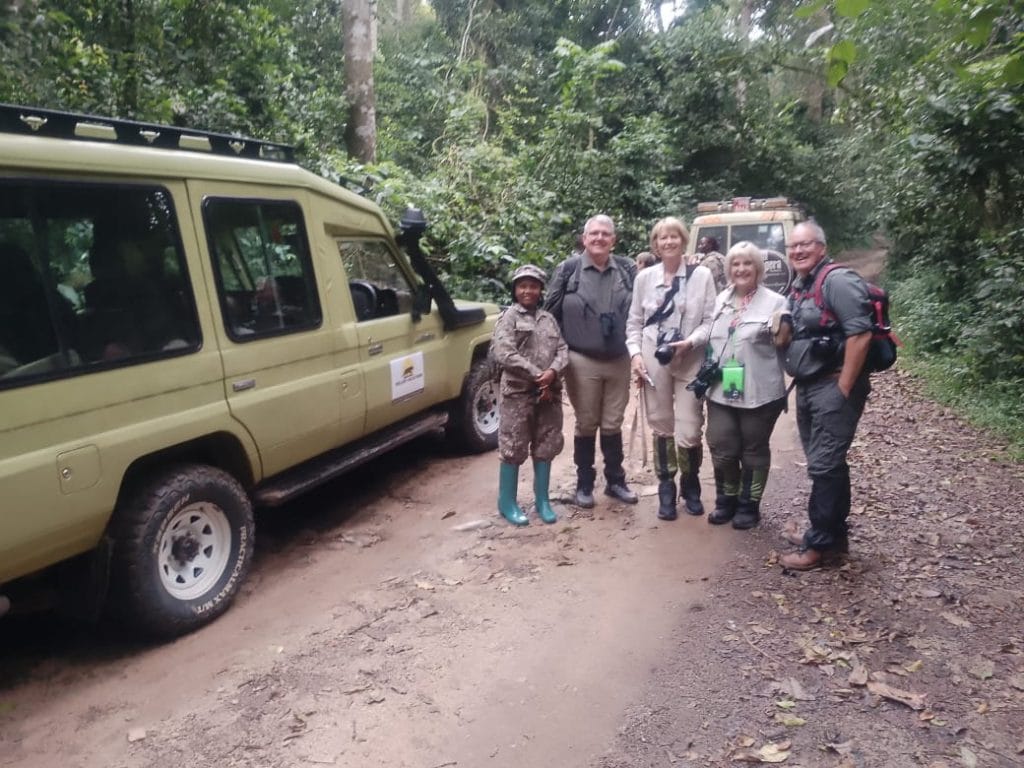
For many first-time visitors, the word “safari” can sound unpredictable. In reality, Uganda’s safari industry is highly structured.
On a professionally organized safari, travelers are supported throughout the journey by:
- trained driver-guides,
- experienced lodge staff,
- park rangers,
- trackers,
- and organized tourism systems.
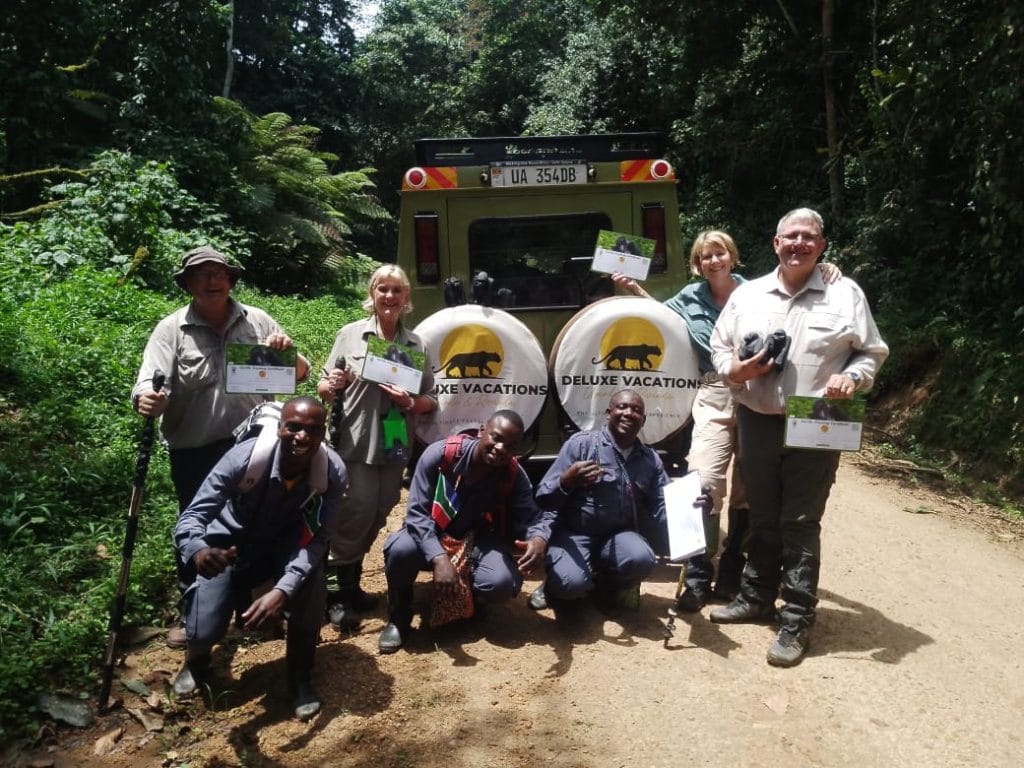
Game drives follow regulated park routes. Gorilla trekking in Uganda is managed carefully by the Uganda Wildlife Authority with ranger escorts and briefing procedures. Chimpanzee trekking activities in Kibale Forest are supervised by trained guides and trackers.
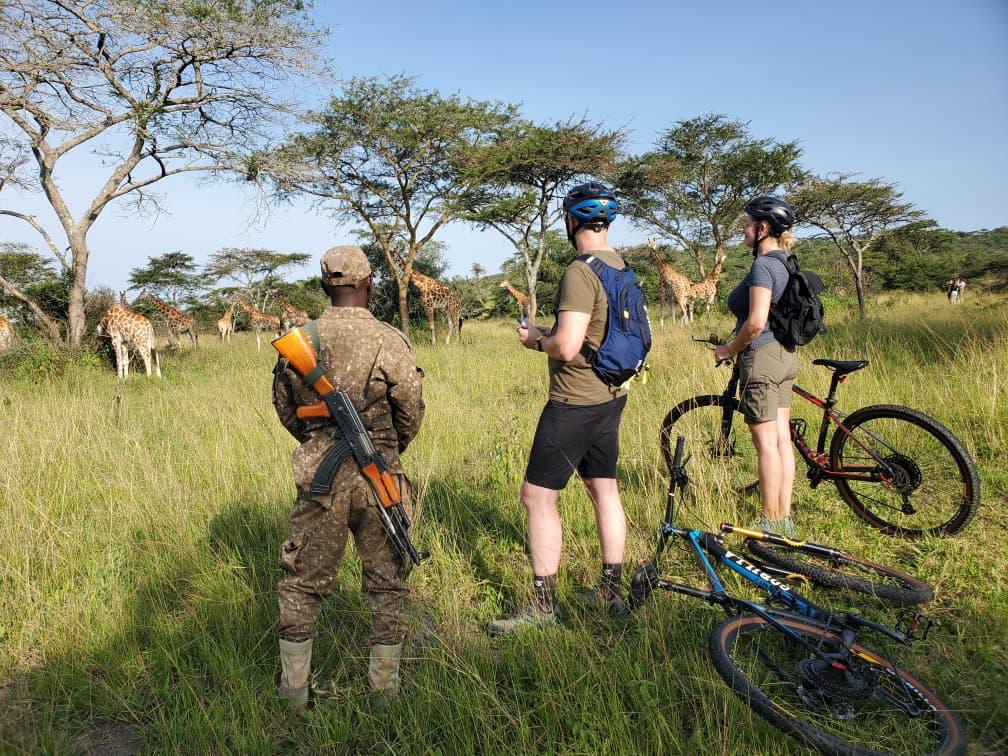
Most luxury and mid-range safari lodges also maintain strong security procedures, particularly in remote areas. Guests are guided on movement around camps at night, and staff remain attentive to safety protocols.
Road travel is often one of the biggest surprises for travelers. Uganda’s landscapes are expansive, and some safari transfers can be long. Working with experienced operators helps ensure that routing, pacing, and accommodations are planned sensibly.
In many ways, the quality of your safari operator plays a significant role in how smooth and comfortable your experience feels.
What Many Travelers Discover After Arriving
One of the most consistent observations from first-time visitors is how different Uganda feels compared to what they expected before traveling.
Travelers often speak about:
- the warmth of local people,
- the calm atmosphere in safari regions,
- the professionalism of guides,
- and the sense of space and authenticity within Uganda’s landscapes.
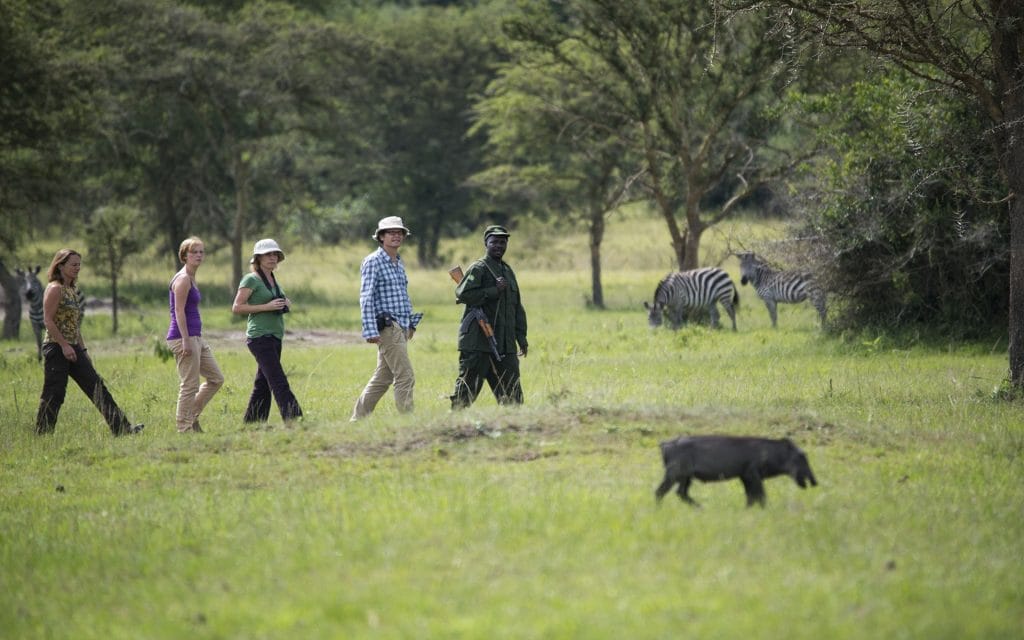
Unlike heavily commercialized safari destinations, Uganda still feels relatively natural and uncrowded in many areas. A morning game drive may pass only a handful of other vehicles. Gorilla trekking groups remain strictly limited. Lodges are often small and personal rather than oversized resorts.
For many visitors, this becomes part of Uganda’s appeal.
The experience feels grounded and genuine.
Practical Safety Tips for Travelers Visiting Uganda
Like any international trip, preparation matters.
A few practical steps can make travel smoother and more comfortable:
Travel with a reputable safari company
Experienced operators help manage logistics, safety, permits, transfers, and local coordination efficiently.
Consult your doctor before travel
Discuss vaccinations, anti-malarial options, and general travel health preparation.
Purchase travel insurance
Comprehensive insurance is always advisable for international travel.
Stay informed through reliable sources
Avoid relying entirely on sensational social media content. Check official travel advisories and speak with professionals who work within Uganda’s tourism industry regularly.
Pack appropriately
Light layers, insect repellent, comfortable footwear, and any personal medication are important for safari travel.
Follow guide instructions
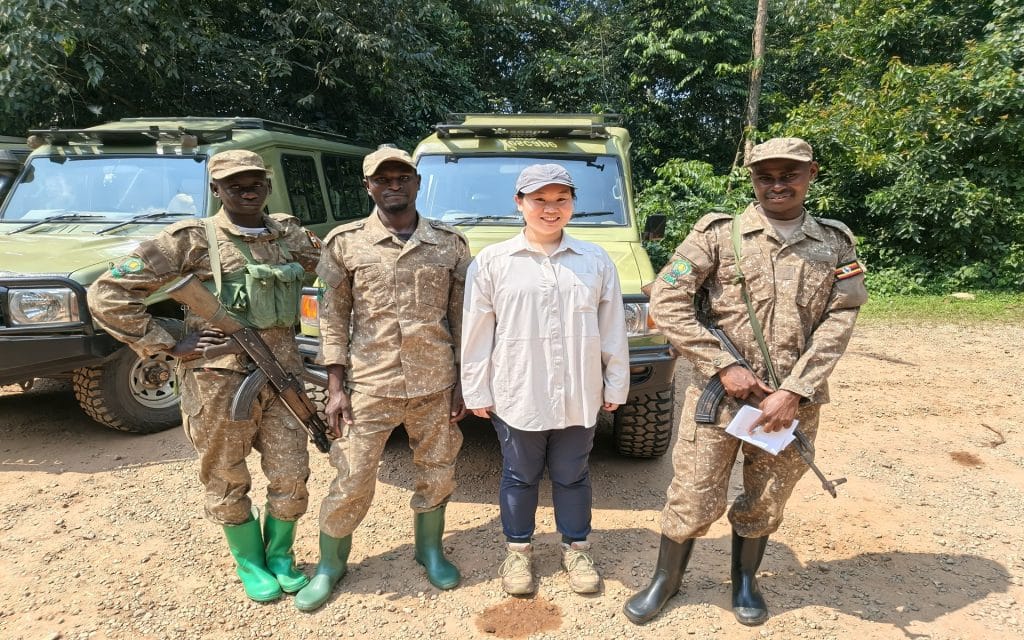
Safari guides and rangers are trained professionals who understand local conditions and wildlife behavior.
So, Is Uganda Safe for Tourists?
For most travelers, yes.
Uganda is not a perfect country, just as no destination is entirely without challenges. But many of the fears travelers encounter online are often disconnected from the actual safari experience on the ground.
Thousands of visitors travel through Uganda each year for gorilla trekking safaris, wildlife safaris, birding tours, chimpanzee trekking experiences, cultural encounters, and luxury safari holidays. Most leave with memories shaped less by fear and more by the country’s landscapes, wildlife, hospitality, and human warmth.
Travelers who come prepared, informed, and guided by experienced safari professionals often discover something unexpected:
Uganda feels far more welcoming, peaceful, and rewarding than they imagined before arriving.
Planning a safari in Uganda can sometimes feel overwhelming when researching from abroad. Speaking with experienced local safari specialists can help travelers better understand current travel conditions, choose the right itinerary, and travel with confidence.
At Deluxe Vacations Uganda, we help travelers plan personalized gorilla trekking safaris, wildlife safaris, birding tours, and luxury Uganda experiences designed around comfort, authenticity, and meaningful travel experiences.