
Gorilla trekking is one of the most remarkable wildlife experiences available anywhere in the world. It involves hiking through tropical rainforest in search of a habituated mountain gorilla family and spending one hour observing them in their natural habitat.
Unlike traditional game drives conducted from a vehicle, gorilla trekking takes place entirely on foot. Guided by experienced Uganda Wildlife Authority rangers and trackers, visitors follow signs left by a gorilla family until they are located within the forest.
Uganda is home to nearly half of the world’s remaining mountain gorillas, making it one of the most important destinations for gorilla conservation and wildlife tourism. Every gorilla trekking permit directly contributes to conservation efforts, park management, and support for local communities living alongside these protected areas.
For many travelers, the moment they come face to face with a mountain gorilla becomes the highlight of their safari and one of the most meaningful wildlife encounters of their lifetime.
Mountain gorillas can only be found in three countries worldwide: Uganda, Rwanda, and the Democratic Republic of Congo. Within Uganda, gorilla trekking takes place in two national parks located in the southwest of the country. Many travelers compare the two leading destinations before booking. See our detailed comparison of gorilla trekking in Uganda vs Rwanda.
Bwindi Impenetrable National Park is Uganda’s premier gorilla trekking destination and is home to the largest population of mountain gorillas in the world. The park contains numerous habituated gorilla families spread across four trekking sectors.
Mgahinga Gorilla National Park, located within the Virunga Mountains, offers a more intimate trekking experience and is home to the Nyakagezi Gorilla Family, one of the most stable and frequently visited gorilla groups in Uganda.
Together, these two parks offer visitors exceptional opportunities to encounter mountain gorillas while contributing directly to their long-term protection and conservation.
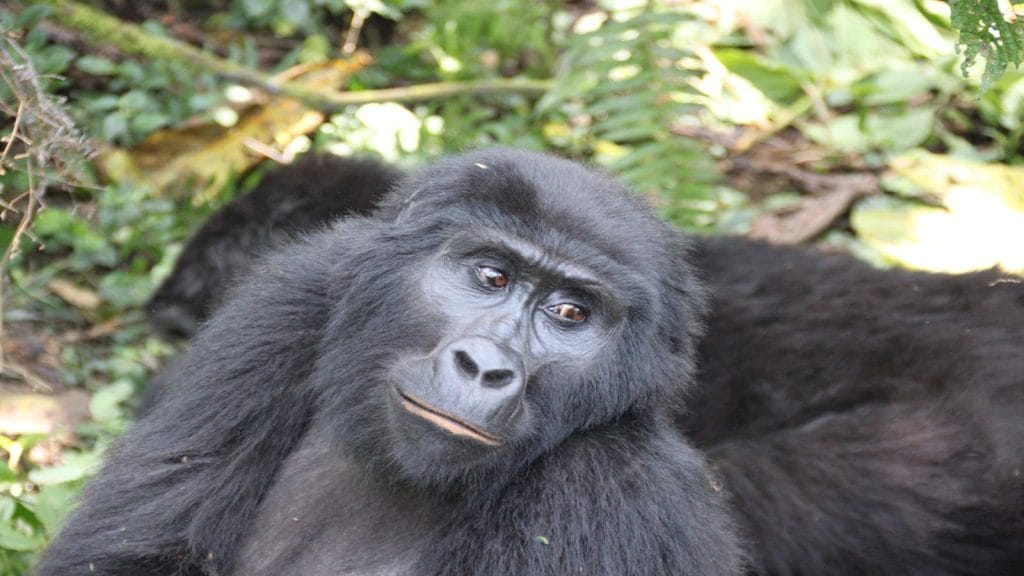
Bwindi Impenetrable National Park is Uganda’s most celebrated wildlife destination and one of Africa’s most important conservation areas. Recognized as a UNESCO World Heritage Site, the park protects an extraordinary ecosystem of montane and lowland forest, rich biodiversity, and the largest population of mountain gorillas on Earth.
Located in southwestern Uganda, Bwindi covers approximately 331 square kilometers and supports more than half of the world’s remaining mountain gorillas. The park is also home to hundreds of bird species, butterflies, and plant species, making it a remarkable destination beyond gorilla trekking alone.
Gorilla trekking in Bwindi takes place across four distinct sectors: Buhoma, Ruhija, Rushaga, and Nkuringo. Each sector offers access to different gorilla families, accommodation options, and trekking experiences.
To manage visitor numbers and protect mountain gorillas, Bwindi Impenetrable National Park is divided into four gorilla trekking sectors: Buhoma, Ruhija, Rushaga, and Nkuringo. Each sector offers access to different habituated gorilla families, accommodation options, and trekking experiences.
While all sectors provide the opportunity to encounter mountain gorillas, they differ in terrain, accessibility, lodge selection, and the number of available permits. Understanding these differences can help travelers choose the area that best suits their interests, fitness level, and overall safari itinerary.
Located in the northern part of Bwindi Impenetrable National Park, Buhoma is the original gorilla trekking sector and remains one of the most popular areas for visitors. It was here that Uganda’s first gorilla tourism activities began in the early 1990s.
Buhoma is known for its relatively accessible terrain, excellent lodge selection, and convenient integration with safari itineraries coming from Queen Elizabeth National Park. The sector offers a good balance of comfort, accessibility, and wildlife experiences.
Accommodation options range from comfortable mid-range lodges to some of Uganda’s most established luxury properties, making Buhoma particularly attractive to first-time gorilla trekkers and luxury travelers.
Ruhija is located in the eastern part of Bwindi and is often considered one of the quieter trekking sectors. Situated at higher elevation, the area offers cooler temperatures, excellent birdwatching opportunities, and beautiful forest scenery.
The sector tends to receive fewer visitors than Buhoma and Rushaga, making it appealing to travelers seeking a more secluded experience. Ruhija is particularly popular among bird enthusiasts, as the surrounding forest is home to numerous Albertine Rift endemic species.
The trekking experience can vary from moderate to challenging depending on the location of the gorilla family being visited on a particular day.
Rushaga, located in southern Bwindi, offers the largest number of habituated gorilla families in Uganda. As a result, it generally has the highest availability of gorilla permits and provides visitors with the greatest flexibility when planning their safari.
The sector has become increasingly popular because of its excellent permit availability, wide range of accommodation options, and proximity to Kisoro and Rwanda. It is also the location where Uganda’s Gorilla Habituation Experience takes place, allowing visitors to spend up to four hours with a semi-habituated gorilla family.
For travelers whose primary goal is securing gorilla permits, Rushaga is often one of the most practical and flexible choices.
Nkuringo is located in the southwestern corner of Bwindi and is renowned for its dramatic scenery, sweeping views of the Virunga Volcanoes, and some of the most rewarding trekking experiences in the park.
The terrain around Nkuringo is generally steeper than in some other sectors, making treks potentially more demanding. However, many visitors consider the spectacular landscapes and lower visitor numbers well worth the additional effort.
The sector is also home to several excellent lodges and offers a more remote and exclusive atmosphere compared to some of Bwindi’s busier trekking areas.
Bwindi Impenetrable National Park is home to numerous habituated mountain gorilla families distributed across its four trekking sectors: Buhoma, Ruhija, Rushaga, and Nkuringo. Each gorilla family has its own history, social dynamics, and dominant silverback, making every trek a unique experience.
A habituated gorilla family is a group that has undergone a gradual process of becoming accustomed to human presence under the supervision of researchers and Uganda Wildlife Authority trackers. This process can take several years and allows visitors to observe gorillas safely while minimizing stress on the animals.
The number of individuals within each family may change over time as gorillas are born, migrate between groups, or form new families. The information below provides an overview of some of Bwindi’s most well-known habituated gorilla families.
The Mubare Gorilla Family holds a special place in Uganda’s conservation history as the first mountain gorilla family to be habituated for tourism. The group was opened to visitors in 1993 after researchers spent several years helping the gorillas become accustomed to human presence. Named after the nearby Mubare Hills where they were first encountered, the family was originally led by the legendary silverback Ruhondeza.
Under Ruhondeza’s leadership, the family grew to approximately 18 members and became the foundation of Uganda’s gorilla tourism industry. Over time, natural changes, encounters with wild gorillas, and leadership transitions reduced the group’s size. Today, the family consists of approximately nine members, including the dominant silverback Maraya, several adult females, and young gorillas born into the group. Despite its smaller size, trekking the Mubare Family offers visitors the opportunity to encounter one of Bwindi’s most historically important gorilla groups.
The Habinyanja Gorilla Family is one of Buhoma’s most fascinating groups and is known for its long history, complex social dynamics, and influential role in the formation of several other gorilla families. The group’s name comes from a local Rukiga word referring to a place with water, inspired by the swampy area where the family was first sighted.
When the family was habituated in the late 1990s, it was led by the elderly silverback Mugurusi and included more than twenty members. Following Mugurusi’s death, leadership struggles emerged between several silverbacks, eventually leading to the formation of new gorilla families, including Rushegura. Today, Habinyanja remains one of the largest and most established groups in Buhoma, with approximately 18 members and leadership under the dominant silverback Makara. The family’s rich history and active social interactions make it one of the most interesting groups to observe during a trek.
The Rushegura Gorilla Family was formed in 2002 when the silverback Mwirima separated from the Habinyanja Family and established his own group. The family takes its name from the area where the split occurred, a location known for a tree species locally called Ebishegura.
Starting with only a handful of individuals, the family gradually expanded and became one of the most stable groups in the Buhoma sector. Today, the family numbers approximately 19 members and is known for its calm temperament and relatively accessible location. Visitors often appreciate Rushegura because the group occasionally ranges near the park boundary, reducing trekking distances while still providing an authentic wilderness experience. Following the death of the founding silverback Mwirima, leadership eventually passed to other dominant males, with recent records identifying Kabukojo among the family’s leading silverbacks.
Katwe is one of the newer habituated gorilla families in the Buhoma sector and was officially opened for tourism in 2018 after several years of habituation. The family is led by the silverback Mahaane and was introduced to help increase permit availability while reducing pressure on the older gorilla groups within the sector.
Although smaller than some of Buhoma’s more established families, Katwe offers an excellent trekking experience and provides visitors with another opportunity to encounter mountain gorillas in the northern part of Bwindi. The family consists of approximately nine members, including the dominant silverback, adult females, blackbacks, and young gorillas. As a relatively recent addition to gorilla tourism, Katwe represents the continued success of Uganda’s conservation and habituation efforts.
The Binyindo Gorilla Family is one of the newer habituated groups in the Buhoma sector and has quickly become an exciting addition to gorilla trekking in northern Bwindi. Named after its dominant silverback, Binyindo, the family underwent approximately three years of habituation before being opened to visitors, allowing researchers and trackers to gradually familiarize the gorillas with human presence while preserving their natural behavior.
Today, the family consists of approximately nine members led by Silverback Binyindo, whose distinctive nose inspired the group’s name. The family is frequently encountered along the Ivy River trail and in areas close to the Sarambwe Nature Reserve on the border with the Democratic Republic of Congo. Their home range often takes trekkers through some of Buhoma’s quieter forest trails, providing a rewarding experience away from the busier trekking routes. As one of Bwindi’s newer tourism groups, the Binyindo Family plays an important role in expanding permit availability while supporting the long-term conservation of mountain gorillas in the park.
The Muyambi Gorilla Family is one of the newest gorilla groups available for trekking in the Buhoma sector. The family was formed when Silverback Muyambi separated from the historic Mubare Family and established his own group, taking several females with him. Since its formation, the family has continued to grow through natural births, demonstrating the healthy population dynamics that have contributed to the success of mountain gorilla conservation in Bwindi.
Today, the family consists of approximately six to seven members and remains under the leadership of Silverback Muyambi. Although smaller than some of Bwindi’s older and more established groups, the family offers visitors an intimate gorilla trekking experience with excellent opportunities to observe social interactions at close range. The creation of the Muyambi Family also highlights the constantly evolving nature of mountain gorilla society, where younger silverbacks may eventually establish their own groups and territories as populations grow and mature within the forest.
With six habituated families currently available for trekking, Buhoma remains one of the most historically important and sought-after sectors in Bwindi Impenetrable National Park.
Ruhija is one of Bwindi’s most scenic trekking sectors and is home to several well-established gorilla families. Located at a higher elevation than many other parts of the park, the sector is known for cooler temperatures, excellent birdlife, and rewarding trekking experiences through montane forest. The gorilla families found here each have their own history and character, offering visitors a variety of trekking experiences.
The Bitukura Gorilla Family is widely regarded as one of the most peaceful and stable groups in Bwindi Impenetrable National Park. Named after the Bitukura River where the family was first encountered, the group underwent one of the shortest habituation processes ever recorded in Bwindi, becoming available for tourism in 2008 after roughly fifteen months of habituation.
Originally numbering more than twenty members, the family later experienced natural changes and now consists of approximately thirteen to fourteen individuals. The group is notable for having multiple silverbacks, including the dominant silverback Ndahura, alongside other mature males such as Rukumu and Rukara. Visitors often describe Bitukura as a calm and relaxed family whose members spend considerable time grooming and interacting closely with one another. Its peaceful nature makes it one of the most sought-after gorilla groups in Ruhija.
The Oruzogo Gorilla Family is among the most popular groups in Ruhija and is particularly loved for its playful juveniles and energetic social interactions. The family was opened for tourism in 2011 after several years of habituation and quickly became a favorite among photographers and first-time gorilla trekkers.
Led by the dominant silverback Bakwate, the family has experienced several changes over the years, including the departure of some members to form splinter groups. Despite these changes, Oruzogo remains one of the most active and entertaining families to visit. The group typically consists of approximately eleven to seventeen members, including adult females, blackbacks, juveniles, and infants. The younger gorillas are often seen climbing, wrestling, and playing, creating memorable encounters for visitors fortunate enough to spend an hour with them.
The Kyaguriro Gorilla Family occupies a unique place in Bwindi’s conservation history. Habituated in 1999, the group was initially reserved for scientific research rather than tourism and became one of the primary study groups for the Max Planck Institute for Evolutionary Anthropology.
The family’s history has been shaped by several influential silverbacks. After the dominant silverback Zeus lost leadership, Rukina took control and guided the family through a long period of stability and growth. Under Rukina’s leadership, the group expanded significantly and became one of the most studied mountain gorilla families in Africa. Following Rukina’s death, internal leadership struggles eventually led to a split within the family. Today, the original Kyaguriro lineage is represented by two related groups that continue to occupy the Ruhija sector. The story of Kyaguriro provides fascinating insight into the complex social lives of mountain gorillas and remains one of the most important chapters in Bwindi’s conservation history.
The Mukiza Gorilla Family emerged from the historic Kyaguriro group in 2016 when the ambitious silverback Mukiza separated from the parent family and established his own group. Since then, the family has developed into one of Ruhija’s most rewarding trekking experiences.
Led by Silverback Mukiza, the group consists of approximately ten members, including adult females, infants, and younger gorillas born since the split. The family is known for its strong social bonds and relatively stable structure. Because of its connection to the Kyaguriro research family, Mukiza also offers visitors an opportunity to observe a group that represents the natural evolution of mountain gorilla society, where younger silverbacks eventually establish their own families and territories. Today, the Mukiza Family is one of the four habituated groups regularly visited by trekkers in the Ruhija sector.
Rushaga is the most diverse gorilla trekking sector in Bwindi Impenetrable National Park and is home to the largest number of habituated gorilla families in Uganda. Located in the southern part of the park, the sector offers excellent permit availability, a wide range of accommodation options, and access to Uganda’s Gorilla Habituation Experience. Many of the families found here have fascinating histories involving leadership struggles, group splits, and the formation of entirely new families, providing valuable insight into the complex social lives of mountain gorillas
The Nshongi Gorilla Family is one of the most important gorilla groups in Bwindi’s history. Named after the nearby Nshongi River, the family was once the largest habituated gorilla group ever opened for tourism in Uganda, with more than thirty members at its peak. The group was officially opened for trekking in 2009 and became famous for its unusually large size and the presence of several silverbacks living together in relative harmony.
Over time, natural leadership dynamics led to the formation of new families, including Mishaya and Bweza, both of which originated from Nshongi. Despite these departures, the family remains one of Rushaga’s most historically significant groups and today consists of approximately seven members under the leadership of a dominant silverback. The family’s story provides an excellent example of how mountain gorilla societies naturally evolve and expand over time.
The Mishaya Gorilla Family was formed in 2010 when the ambitious silverback Mishaya left the Nshongi Family with several females and established his own group. Mishaya was known for his fearless and aggressive personality, frequently challenging other gorilla groups and attracting additional members through his dominance.
Following Mishaya’s death in 2014, the family experienced a period of instability, with some members dispersing to neighboring groups. Conservation teams later rediscovered the remaining members under the leadership of Silverback Tinfayo, who successfully rebuilt the family. Today, the group consists of approximately eight members and remains one of the most interesting families to trek in Rushaga due to its remarkable history of survival and recovery.
The Bweza Gorilla Family emerged from the Nshongi Family in 2013 after internal leadership disagreements led Silverback Kakono to establish a separate group. Since then, Bweza has developed into one of the most sought-after families in Rushaga.
The family typically consists of around eleven to twelve members, including multiple silverbacks, adult females, juveniles, and infants. Visitors often encounter the family in forest areas close to community land bordering the park. The group’s history reflects the natural process through which younger or rival silverbacks establish their own families and territories within Bwindi.
The Kahungye Gorilla Family takes its name from Kahungye Hill, where the group was first identified. After a two-year habituation process, the family was opened for tourism in 2011 and quickly became one of the flagship groups in southern Bwindi.
At one stage, the family numbered close to thirty individuals, making it one of the largest gorilla groups in the park. Internal leadership tensions eventually led to the formation of the Busingye Family, but Kahungye remained strong and continues to be one of the largest families available for trekking. The group is currently led by a dominant silverback and typically consists of more than twenty members, including several silverbacks, adult females, juveniles, and infants. Trekkers often appreciate the size of the family and the opportunity to observe multiple gorillas interacting at the same time.
The Busingye Gorilla Family was formed when Silverback Busingye separated from the Kahungye Family after a leadership dispute. Interestingly, the name “Busingye” translates roughly to “peaceful,” although the silverback became famous for being highly assertive and ambitious.
Busingye has been known to challenge neighboring groups and occasionally attract females from other families, contributing to the growth of his own group. Today, the family consists of approximately nine to ten members and is often praised for its active and entertaining behavior. Visitors frequently observe playful juveniles and dynamic social interactions during treks, making Busingye one of the most memorable families in Rushaga.
The Bikingi Gorilla Family is closely associated with Uganda’s Gorilla Habituation Experience. Unlike fully habituated groups visited during standard gorilla trekking, Bikingi spent several years undergoing the habituation process, allowing researchers and visitors to spend extended time observing the gorillas as they gradually became accustomed to human presence.
The family has undergone several leadership transitions and social changes over the years but continues to play an important role in conservation and tourism. Today, the group typically consists of around eleven members and remains one of the most fascinating families for visitors interested in a deeper gorilla experience.
The Mucunguzi Gorilla Family originated from the Bweza Family and is led by Silverback Mucunguzi, whose name means “saviour.” As a younger silverback within Bweza, Mucunguzi eventually left the group and spent time as a solitary male before successfully attracting females and establishing his own family.
The family grew through natural births and the recruitment of members from other groups and today consists of approximately ten to twelve individuals. Mucunguzi’s story is one of persistence and determination, making this family particularly interesting from a behavioral perspective. The group is now one of the regularly trekked families in the Rushaga sector.
The Rwigi Gorilla Family is one of Rushaga’s newer habituated groups. The family was established when Silverback Rwigi left the Kahungye Family together with several females and younger gorillas to form an independent group.
Although smaller than some of Rushaga’s more established families, Rwigi offers a rewarding trekking experience and provides additional permit availability within the sector. The family typically consists of around seven to ten members and continues to grow through natural births and recruitment.
Kutu is among the newer habituated gorilla families in the Rushaga sector and contributes to the sector’s exceptional permit capacity. While less widely known than some of Rushaga’s older groups, Kutu provides visitors with an opportunity to experience gorilla trekking in a quieter setting.
Like many newer families, Kutu reflects the success of Bwindi’s conservation efforts and the continued growth of Uganda’s mountain gorilla population. The family remains an important addition to Rushaga’s expanding network of habituated gorilla groups.
Nkuringo is the smallest of Bwindi’s four trekking sectors, but what it lacks in numbers it makes up for in character. Perched high above the forest and overlooking the Virunga Volcanoes, the sector is home to a handful of remarkable gorilla families whose histories are closely intertwined. Many of the groups found here originated from the pioneering Nkuringo Family, making this one of the most fascinating sectors for visitors interested in mountain gorilla social dynamics and conservation success stories.
The Nkuringo Gorilla Family is the group that gave the entire sector its name. “Nkuringo” is a local Rukiga word meaning “round hill,” referring to the area where the family was first encountered. After a lengthy habituation process, the family was officially opened for tourism in 2004, becoming the first habituated gorilla family in southern Bwindi.
The group was originally led by the powerful Silverback Nkuringo, whose habit of venturing into community farmland was one of the reasons Uganda Wildlife Authority initiated habituation efforts. Following his death in 2008, leadership passed through successive silverbacks, including the well-known Safari and later Rafiki. Over the years, the family experienced several splits that ultimately gave rise to some of Nkuringo’s other gorilla families.
Today, the Nkuringo Family remains one of the sector’s flagship groups. Depending on natural changes within the family, the group typically consists of more than a dozen members, including adult females, juveniles, infants, and dominant males. Trekkers often appreciate the family’s strong social bonds and the spectacular scenery that accompanies every encounter.
The Bushaho Gorilla Family emerged from the Nkuringo Family after several individuals dispersed and established a separate group under the leadership of Silverback Bahati. Named after the Bushaho area where the group settled, the family gradually developed into one of the most stable and rewarding groups to visit in southern Bwindi.
Today, the family consists of approximately twelve members and is still led by Bahati, a dominant silverback known for his impressive physical presence and calm authority. The group includes adult females, younger gorillas, and infants that continue to strengthen the family structure.
Visitors often enjoy trekking the Bushaho Family because of its active nature and the excellent opportunities it provides to observe interactions between different age groups. The family’s history also illustrates how mountain gorilla populations naturally expand as younger silverbacks establish independent families and territories.
The Christmas Gorilla Family is one of the newest habituated groups available for trekking in Nkuringo and has quickly become a favorite among visitors. The family takes its name from its dominant silverback, Christmas, who was born on Christmas Day while still a member of the original Nkuringo Family.
Unlike many new gorilla families, the Christmas group did not require a lengthy habituation process because its members originated from already habituated gorillas. This allowed the family to transition into tourism relatively smoothly while maintaining its natural social structure.
The family consists of approximately eight to nine members, including Silverback Christmas, adult females, juveniles, and infants. The group is known for its close family bonds and playful younger members, often providing highly engaging viewing opportunities during treks. The addition of the Christmas Family also increased permit availability in Nkuringo, giving visitors greater flexibility when planning their gorilla trekking safari.
The Posho Gorilla Family represents the newest chapter in Nkuringo’s conservation story. Led by Silverback Magara, the family spent several years undergoing habituation before gradually being introduced for visitor experiences. The group’s development reflects the continued growth of Bwindi’s mountain gorilla population and the success of long-term conservation efforts.
The family consists of approximately fourteen to nineteen members, making it one of the larger groups in the sector. The group includes adult females, juveniles, infants, and younger males that contribute to a vibrant and dynamic social structure.
For visitors, the Posho Family offers an opportunity to encounter a relatively new group whose story is still unfolding. As the family continues to establish itself within Nkuringo, it plays an increasingly important role in expanding trekking opportunities while helping distribute tourism pressure across multiple gorilla groups.
While Bwindi Impenetrable National Park receives most of the attention for gorilla trekking in Uganda, Mgahinga Gorilla National Park offers a rewarding and often overlooked alternative. Located in the far southwest of Uganda within the Virunga Mountain range, Mgahinga is the country’s smallest national park but one of its most scenic.
The park forms part of the greater Virunga Conservation Area, which stretches across Uganda, Rwanda, and the Democratic Republic of Congo. Dominated by the volcanic peaks of Mount Muhabura, Mount Gahinga, and Mount Sabinyo, the landscape is dramatically different from the dense forests of Bwindi and provides spectacular views throughout the trekking experience.
One of Mgahinga’s greatest advantages is its relatively lower visitor numbers. Trekkers often enjoy a quieter and more exclusive experience while still encountering the same mountain gorilla species found in Bwindi. The park also offers opportunities to combine gorilla trekking with the famous Golden Monkey Trekking experience, making it unique among Uganda’s protected areas.
Although Mgahinga currently hosts only one habituated gorilla family available for tourism, the experience is every bit as rewarding as trekking in Bwindi and is often favored by travelers seeking fewer crowds and excellent photography opportunities.
The Nyakagezi Gorilla Family is the only habituated gorilla family available for trekking in Mgahinga Gorilla National Park and is one of Uganda’s most remarkable gorilla groups. The family gained international attention because of its unusual stability. For many years, the group frequently crossed the borders between Uganda, Rwanda, and the Democratic Republic of Congo, making sightings unpredictable. Today, however, the family has remained largely resident within Mgahinga, allowing regular trekking opportunities.
The family is led by the dominant silverback Mark, who succeeded the legendary silverback Bugingo. One of the most fascinating aspects of Nyakagezi is the presence of multiple silverbacks coexisting within the same group, something that is relatively uncommon among mountain gorillas. This creates fascinating social dynamics and offers visitors unique opportunities to observe interactions between mature males.
The family typically consists of approximately ten members, including silverbacks, adult females, juveniles, and infants. Because there is only one trekking group in the park, permits are limited, creating a more intimate visitor experience compared to some areas of Bwindi.
For travelers seeking spectacular volcanic scenery, fewer crowds, and the opportunity to combine gorilla trekking with golden monkey tracking, the Nyakagezi Family offers one of the most distinctive wildlife experiences in East Africa.
Every visitor wishing to trek mountain gorillas in Uganda must obtain a valid gorilla trekking permit issued by the Uganda Wildlife Authority (UWA). The permit grants access to either Bwindi Impenetrable National Park or Mgahinga Gorilla National Park and allows visitors to spend one hour observing a habituated gorilla family in its natural habitat.
Gorilla permits are one of the most regulated wildlife permits in the world. Strict limits on visitor numbers help protect the gorillas from stress and disease while ensuring that tourism directly contributes to conservation efforts and local communities. Because only a limited number of permits are available each day, securing a permit is often the most important step when planning a gorilla trekking safari.
As of 2026, Uganda Wildlife Authority gorilla trekking permit fees are:
The permit includes park entry for gorilla trekking, the services of Uganda Wildlife Authority ranger guides, security during the trek, and one hour with a habituated gorilla family. Gorilla permits are only one component of the overall trip budget. Accommodation, transportation, domestic flights, and the duration of your safari will also influence the total cost. For a detailed breakdown, see our guide to Uganda safari costs.
For travelers seeking a more in-depth encounter, Uganda also offers the Gorilla Habituation Experience in the Rushaga sector of Bwindi Impenetrable National Park.
Unlike standard gorilla trekking, which allows one hour with a habituated family, the habituation experience allows visitors to spend up to four hours with a semi-habituated gorilla group alongside researchers, trackers, and rangers.
Current habituation permit rates are:
The Gorilla Habituation Experience is widely regarded as one of the most immersive wildlife encounters available anywhere in Africa.
As part of our safari planning service, Deluxe Vacations Uganda secures gorilla permits on behalf of our guests directly through the Uganda Wildlife Authority. Once travel dates are confirmed, we verify permit availability, reserve the appropriate trekking sector, and incorporate the permits into your safari itinerary.
This ensures that accommodation, logistics, and gorilla permits are all carefully coordinated to provide a seamless and well-paced safari experience.
Gorilla permits are limited and can sell out months in advance, particularly during Uganda’s peak travel seasons between June and September and from December to February.
For the best choice of trekking sectors, gorilla families, and accommodation options, we recommend securing permits at least 6–12 months before travel. Travelers planning to visit during peak periods should consider booking even earlier.
While permits may remain available closer to travel dates, availability becomes increasingly limited and flexibility is reduced.
This ensures that accommodation, logistics, and gorilla permits are all carefully coordinated to provide a seamless and well-paced safari experience.
One of the most common questions travelers ask is, “When is the best time to go gorilla trekking?” The simple answer is that mountain gorillas can be visited throughout the year. Gorilla trekking takes place every day in both Bwindi Impenetrable National Park and Mgahinga Gorilla National Park, regardless of season.
However, weather conditions, trail conditions, permit demand, photography opportunities, and accommodation availability can vary significantly throughout the year. Understanding these seasonal differences can help travelers choose the timing that best suits their interests and expectations. While gorilla trekking is possible year-round, understanding the best time to visit Uganda can help you plan around weather conditions, wildlife viewing opportunities, and overall safari preferences.
The dry seasons are generally considered the most popular times for gorilla trekking. Forest trails are often less muddy, hiking conditions can be easier, and rainfall tends to be less frequent.
These months also coincide with peak safari season in Uganda, making it easier to combine gorilla trekking with wildlife viewing in Queen Elizabeth National Park, Murchison Falls National Park, and other safari destinations.
Advantages of traveling during the dry season include:
Because demand is highest during these months, gorilla permits and preferred lodges often sell out well in advance. Early booking is strongly recommended.
The rainy seasons are often overlooked but can offer excellent value and a more exclusive experience. The forests become exceptionally lush and green, visitor numbers are generally lower, and some lodges may offer seasonal promotions.
Rainfall can make trails steeper and more challenging, particularly in certain areas of Bwindi. Waterproof clothing and proper hiking boots become especially important during these months.
Advantages of traveling during the rainy season include:
Many experienced travelers consider the rainy season one of the most rewarding times to visit because of the quieter atmosphere and vibrant forest scenery.
These are among the driest months of the year and are excellent for gorilla trekking, photography, and combining gorilla experiences with a broader Uganda safari.
This period typically experiences heavier rainfall, particularly in April and May. Trails can become muddy, but the forests are exceptionally green and visitor numbers are lower.
One of the most popular periods for gorilla trekking. Conditions are generally dry, making this a preferred time for travelers seeking easier trekking conditions and well-paced safari itineraries.
Rainfall begins to increase, although trekking remains excellent. Visitor numbers are often lower than during the peak June–August period.
December combines favorable weather with holiday travel demand. It is one of the busiest times of the year and permits should be secured well in advance.
For most travelers, June through August and December through February provide the best balance of trekking conditions, wildlife viewing, and overall safari logistics.
That said, gorilla trekking is not a seasonal experience in the same way as the Great Migration or certain wildlife events. The gorillas remain within the forest throughout the year, and remarkable encounters are possible in every month.
At Deluxe Vacations Uganda, we design gorilla trekking safaris throughout the year and help guests choose the most suitable travel period based on their interests, budget, photography goals, and preferred safari pace.
One of the biggest misconceptions about gorilla trekking is that it requires exceptional fitness. While the experience does involve hiking through rainforest terrain, most travelers with a reasonable level of mobility and determination are able to successfully complete a trek.
The difficulty of a gorilla trek varies considerably depending on the location of the gorilla family on a particular day. Some groups may be reached within 30 minutes, while others can require several hours of hiking through steep slopes, dense vegetation, and uneven forest trails.
Every trek is different, which is part of what makes the experience so authentic and rewarding.
A gorilla trek can last anywhere from one to eight hours, including the time spent locating the gorilla family and the one-hour viewing period.
On the morning of the trek, Uganda Wildlife Authority guides receive information from trackers who have located the gorillas the previous day. Based on this information, visitors are assigned to specific gorilla families and trekking groups.
Because mountain gorillas are wild animals that move freely through the forest, trekking times can never be guaranteed. Some groups remain relatively close to the starting point, while others may travel deeper into the forest overnight.
Most travelers who regularly walk, hike occasionally, or maintain an active lifestyle will find gorilla trekking manageable.
The trek involves:
Travelers do not need to be athletes, but a moderate level of fitness will enhance the overall experience.
For older travelers, gorilla trekking remains entirely achievable. Many visitors in their 60s, 70s, and even 80s successfully complete gorilla treks every year with the support of guides, porters, and sedan chair services where available.
One of the best investments during a gorilla trek is hiring a porter.
Porters assist with carrying daypacks, cameras, water, and personal items while also providing support on steep or slippery sections of the trail. Their assistance can significantly reduce fatigue and improve overall comfort during the trek.
Beyond the practical benefits, hiring a porter directly supports local communities living around the national parks and contributes to conservation-linked livelihoods.
At Deluxe Vacations Uganda, we strongly encourage guests to hire a porter regardless of age or fitness level. The service is affordable, highly beneficial, and makes a meaningful contribution to local families.
Not all trekking sectors are the same.
Some areas of Bwindi are known for gentler terrain, while others are more mountainous and physically demanding.
Generally speaking:
When planning a safari, we carefully consider each guest’s fitness level, interests, accommodation preferences, and overall itinerary before recommending the most suitable trekking sector.
The minimum age for gorilla trekking in Uganda is 15 years.
This age limit is designed to protect both visitors and gorillas. Young children may struggle with the physical demands of the trek and may also find it difficult to consistently follow gorilla trekking protocols when encountering wild animals at close range.
Without question.
The hike itself becomes part of the experience. Walking through ancient rainforest, listening to birds and forest sounds, and following the trackers’ clues creates a sense of anticipation that builds with every step.
Then comes the moment when the first gorilla is spotted.
For most visitors, any physical effort quickly fades into the background. Spending time in the presence of a mountain gorilla family is a deeply moving wildlife encounter and one that many travelers describe as the highlight of their travels in Africa.
Preparing properly for gorilla trekking can make a significant difference to your comfort and overall experience in the forest. While the trek does not require specialized expedition equipment, the right clothing and essentials will help you navigate varying weather conditions, dense vegetation, and uneven terrain with confidence.
Long-sleeved shirts and lightweight trekking trousers are strongly recommended. These provide protection against stinging nettles, branches, insects, and thick vegetation commonly encountered along the forest trails.
Neutral-colored clothing such as green, khaki, brown, or grey is preferable, as bright colors can be distracting in wildlife environments.
Because mountain weather can change quickly, a lightweight waterproof rain jacket should always be carried, even during the dry season. Rain showers can occur at any time of year in Bwindi and Mgahinga.
Recommended clothing includes:
A sturdy pair of hiking boots is one of the most important items for gorilla trekking. Trails can be steep, muddy, and slippery, particularly after rainfall.
Good ankle support and reliable grip will improve stability and reduce fatigue during the trek.
Comfortable walking shoes or trainers are also useful for use around lodges and during other safari activities.
Visitors are required to carry a face mask for gorilla trekking.
Because mountain gorillas share approximately 98% of their DNA with humans, they are highly susceptible to human respiratory illnesses. Uganda Wildlife Authority may require face masks to be worn when visitors are in close proximity to the gorillas, depending on current conservation guidelines.
We recommend carrying several disposable masks or a high-quality reusable mask as part of your trekking gear.
A small daypack is useful for carrying personal items during the trek.
Recommended items include:
Gaiters are highly recommended for gorilla trekking and are one of the most overlooked pieces of equipment.
They help prevent mud, water, seeds, insects, and vegetation from entering your boots and trousers while walking through dense forest.
Many experienced trekkers consider gaiters one of the most useful items to bring for Bwindi and Mgahinga.
While not essential for the gorilla trek itself, binoculars are useful throughout a Uganda safari and can be particularly rewarding in Bwindi and Mgahinga, both of which are excellent birdwatching destinations.
Walking sticks are available at the park briefing point before the trek and can be extremely helpful on steep sections of the trail.
Drinking water is typically provided by your safari operator or lodge, so visitors do not need to travel with large quantities. However, carrying sufficient water during the trek is strongly recommended.
Many first-time visitors overpack for gorilla trekking.
Items such as heavy hiking equipment, camping gear, and specialized mountaineering clothing are unnecessary. The focus should be on comfort, practicality, and protection from weather and vegetation rather than technical outdoor gear.
For most travelers, the following essentials are all that is required:
Mountain gorillas are endangered animals, and strict regulations are in place to protect both the gorillas and visitors. All trekkers must attend a briefing by Uganda Wildlife Authority rangers before entering the forest and are expected to follow the guidelines throughout the trek.
Key rules include:
These regulations help minimize human impact on the gorillas while ensuring a safe and respectful wildlife experience.
Photographing mountain gorillas is often one of the highlights of a Uganda safari. The dense rainforest environment can be challenging, but a few simple preparations can significantly improve your results.
Remember that your guide and rangers will position the group to ensure everyone has opportunities for observation and photography while maintaining the welfare of the gorillas.
As of 2026, a gorilla trekking permit in Uganda costs USD 800 per person for foreign non-residents, USD 700 for foreign residents, and UGX 300,000 for East African citizens. Permit prices are determined by the Uganda Wildlife Authority and are subject to change.
The duration of a gorilla trek varies considerably depending on the location of the gorilla family on the day of the trek. Treks can take anywhere from 2 to 8 hours, including the return walk. Once the gorillas are located, visitors are permitted to spend one hour observing them.
Gorilla trekking involves walking through mountainous rainforest terrain, which can include steep slopes, muddy trails, and dense vegetation. While no technical climbing skills are required, a reasonable level of fitness will make the experience more comfortable and enjoyable.
The minimum age for gorilla trekking in Uganda is 15 years. This regulation helps ensure the safety of both visitors and gorillas.
Yes. Gorilla trekking is available throughout the year in both Bwindi Impenetrable National Park and Mgahinga Gorilla National Park. The drier months from June to September and December to February are generally preferred because trails are easier to navigate, although gorilla sightings are excellent year-round.
Yes. Gorilla trekking in Uganda is considered very safe. Treks are conducted under the supervision of experienced Uganda Wildlife Authority ranger guides who monitor the gorilla families daily. The gorillas visited by tourists are habituated and accustomed to human presence.
Visitors are required to maintain a distance of approximately 7 metres (23 feet) from the gorillas. In practice, gorillas occasionally move closer on their own, but visitors should never attempt to approach or touch them.
Long-sleeved shirts, long trousers, sturdy hiking boots, gaiters, and a lightweight waterproof jacket are strongly recommended. Neutral-coloured clothing is generally preferred in the forest environment.
Absolutely. Gorilla trekking is often combined with chimpanzee tracking in Kibale Forest, wildlife viewing in Queen Elizabeth National Park, game drives in Murchison Falls National Park, and walking safaris in Lake Mburo National Park as part of a broader Uganda safari itinerary.
Gorilla trekking is one of Africa’s most rewarding wildlife experiences, but careful planning is essential, particularly because permit availability is limited and demand is often high.
For most travellers, the first step is securing gorilla permits. During peak travel periods, permits can sell out many months in advance, especially in the most sought-after sectors of Bwindi Impenetrable National Park. Booking early provides greater flexibility when choosing travel dates, accommodation, and preferred trekking regions.
The choice between Bwindi Impenetrable National Park and Mgahinga Gorilla National Park will depend on your interests, available time, and overall safari itinerary. Bwindi offers the largest number of habituated gorilla families and accommodation options, while Mgahinga provides a quieter trekking experience combined with dramatic volcanic scenery.
Many visitors choose to combine gorilla trekking with other highlights of Uganda, creating a well-paced safari that showcases the country’s remarkable diversity just like in Our 10 days Uganda safari. Popular combinations include chimpanzee tracking in Kibale Forest, wildlife safaris in Queen Elizabeth National Park and Murchison Falls National Park, boat cruises along the Nile and Kazinga Channel, and walking activities in Lake Mburo National Park.
At Deluxe Vacations Uganda, we design privately guided gorilla trekking safaris that combine carefully selected accommodation, experienced guides, seamless logistics, and personalized service. Whether you are planning a dedicated gorilla trekking holiday, a luxury honeymoon safari, or a broader East African journey, our team can help create an itinerary tailored to your interests, travel style, and available time.
Our team would be delighted to help you plan a thoughtfully designed gorilla trekking experience in Uganda. Contact Us