
Gorilla trekking is one of Africa’s most powerful wildlife experiences. Quiet, emotional, and deeply personal, it takes you through mountain forest with expert guides as you follow signs of movement, listen to the sounds of the trees, and eventually stand a respectful distance from a gorilla family living freely in its natural home.
For many travellers planning an East Africa safari, the biggest question becomes simple: gorilla trekking Rwanda vs Uganda, which destination offers the better experience? Both countries offer exceptional gorilla encounters, but they differ in cost, access, atmosphere, accommodation, and the wider safari opportunities that surround the trek itself.
Rwanda is known for smooth logistics, polished tourism, and the short journey from Kigali to Volcanoes National Park. Uganda offers stronger value, a wider choice of gorilla trekking areas, and the opportunity to combine gorillas with chimpanzee tracking, savannah wildlife, lakes, culture, and longer private guided safaris.
At Deluxe Vacations Uganda, the focus is not only on helping guests choose the right destination. It is on shaping the entire journey around comfort, timing, personal interests, and the kind of experience each traveller hopes to carry home. Gorilla trekking may be the highlight, but the memories are often shaped by the details around it: the right lodge, the right pace, the right guide, the right route, and the confidence that everything has been carefully planned.
Where Gorilla Trekking Takes Place
In Rwanda, gorilla trekking takes place in Volcanoes National Park, in the country’s northwest. The park sits within the Virunga Mountains and is known for bamboo forests, volcanic slopes, and beautiful highland scenery. One of Rwanda’s biggest advantages is access. The drive from Kigali to the gorilla trekking region usually takes around two to three hours, making it ideal for travellers with limited time.
In Uganda, gorilla trekking takes place in Bwindi Impenetrable National Park and Mgahinga Gorilla National Park. Bwindi is the country’s most famous gorilla destination, with several trekking sectors including Buhoma, Ruhija, Rushaga, and Nkuringo. Each sector has its own character, lodge options, access routes, and trekking conditions. Mgahinga, located in the Virunga Mountains, offers a quieter gorilla experience with volcanic scenery and a more intimate feel.
This is where planning becomes important. Choosing a gorilla trekking destination in Uganda is not just about picking a park. It is about matching the right sector to the guest. Some travellers prefer easier access and established lodge options. Others want dramatic views, quieter trails, or proximity to Lake Bunyonyi, Queen Elizabeth National Park, or the Rwanda border.
Deluxe Vacations Uganda helps guests make these decisions with local insight, so the itinerary feels well balanced rather than rushed or randomly connected.
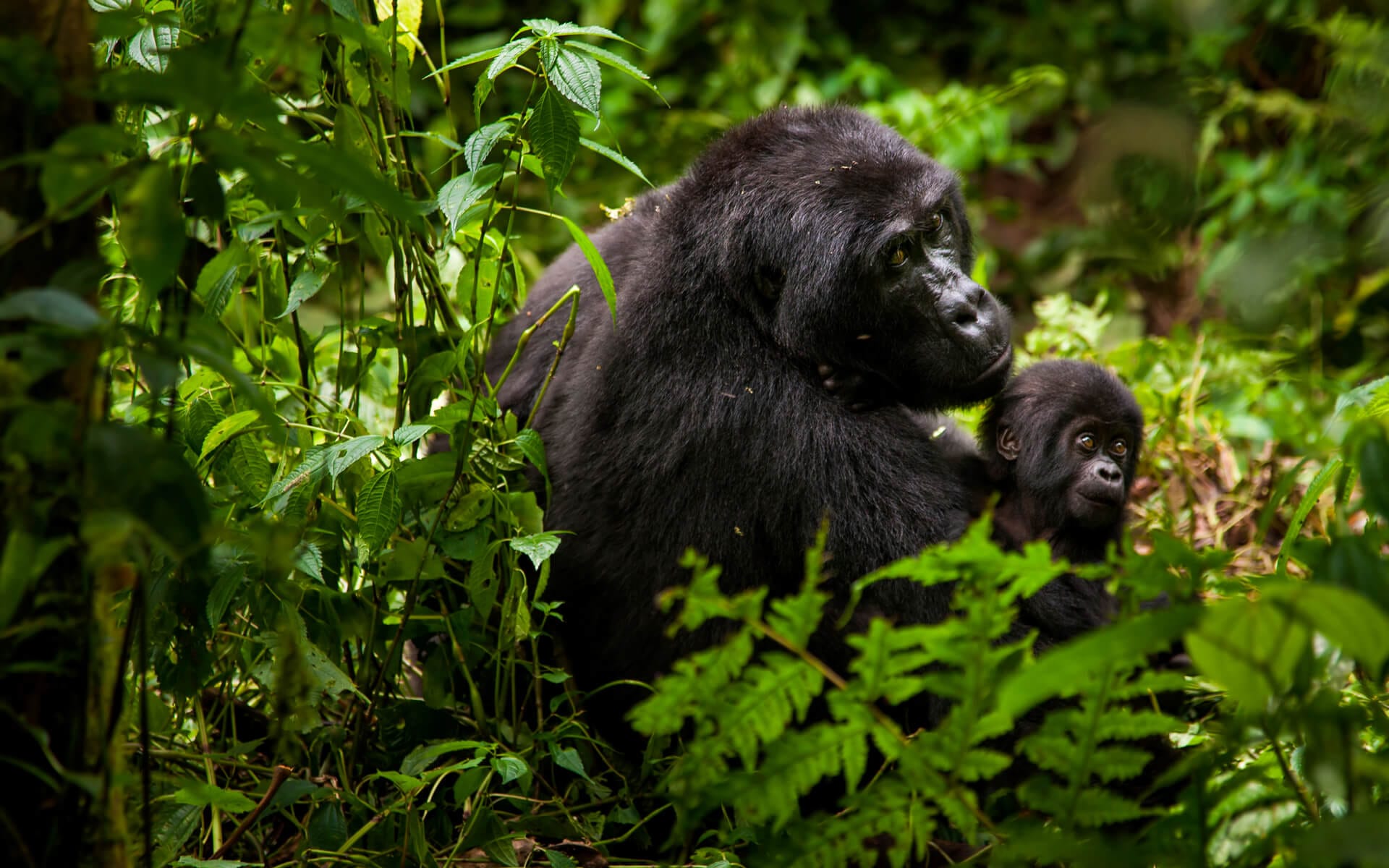
Permit Costs: Gorilla trekking Rwanda vs. Uganda
Permit cost is one of the clearest differences between gorilla trekking in Rwanda and Uganda.
Rwanda’s gorilla trekking permit is significantly more expensive, currently priced at US$1,500 per person for foreign visitors. Uganda’s gorilla permit is lower, currently priced at US$800 per person for foreign non-residents. Uganda also offers a gorilla habituation experience in Bwindi, which costs more than the standard trek but allows guests to spend longer with a gorilla group undergoing the habituation process.
For many travellers, this price difference matters. A couple trekking in Rwanda will spend US$3,000 on permits alone for one trek. In Uganda, the same couple spends US$1,600 for standard gorilla permits. That difference can be used to upgrade accommodation, add chimpanzee tracking in Kibale Forest, include a private guide, extend the safari, or improve the overall comfort of the trip.
This is one of Uganda’s strongest advantages. It allows guests to enjoy a premium gorilla safari without spending unnecessarily. With the right planning, a Uganda gorilla safari can feel rich, personal, and beautifully managed while still offering better overall value.
Deluxe Vacations Uganda helps guests use their budget wisely. Instead of simply selling a permit and a lodge, the team looks at the whole journey: travel time, comfort level, lodge location, route quality, activity flow, and how each day supports the experience.
Access and Travel Time
Rwanda is the easier option for quick access. Travellers can arrive in Kigali, drive to Volcanoes National Park, trek gorillas the next day, and return within a short three-day itinerary. For business travellers, conference guests, or those adding gorilla trekking to a wider Africa trip, Rwanda works very well.
Uganda requires more time if travelling by road from Entebbe or Kampala to Bwindi. The journey can take most of the day, depending on the trekking sector and road conditions. However, Uganda’s longer route is also part of its appeal. The drive introduces guests to the country slowly: roadside markets, green hills, farms, tea plantations, crater landscapes, and small towns that give the journey a stronger sense of place.
For guests who prefer less driving, Deluxe Vacations Uganda can arrange fly-in options from Entebbe or Kajjansi to airstrips near Bwindi and Mgahinga. This makes Uganda much more convenient while keeping the experience connected to the country’s wider safari circuit.
The choice is simple. Rwanda is better for speed. Uganda is better for travellers who want the gorilla trek to feel like part of a fuller journey.
The Trekking Experience
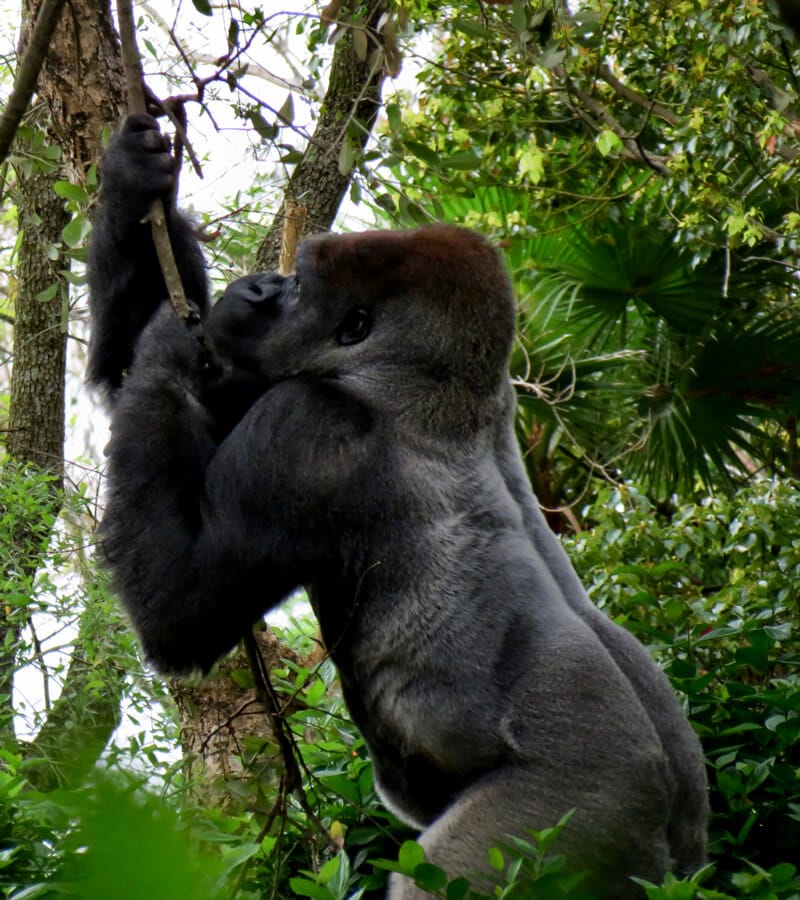
The actual gorilla trekking experience is carefully managed in both countries. Guests are briefed before entering the forest, assigned to gorilla groups, guided by trained rangers and trackers, and allowed one hour with the gorillas once they are found. The minimum trekking age is 15 years in both Rwanda and Uganda. For travellers researching gorilla trekking Rwanda vs Uganda, the reassuring reality is that both countries operate highly structured, conservation-led trekking experiences.
In Rwanda, trekking takes place on the slopes of the Virunga volcanoes. Depending on the gorilla family, some treks can be relatively short while others involve steeper climbs. The bamboo forests and mountain views give the experience a clean, dramatic beauty. When comparing gorilla trekking Rwanda vs Uganda, Rwanda often appeals to travellers seeking smoother logistics and a more polished trekking environment.
In Uganda, especially in Bwindi, the experience can feel deeper and more forested. The trails may be muddy, steep, and thick with vegetation. Some treks are short, others can take several hours. This unpredictability is part of Bwindi’s character. The forest feels alive, ancient, and wonderfully untamed.
A good operator makes a real difference here. Deluxe Vacations Uganda prepares guests before the trek, helping them understand what to wear, what to pack, how fit they need to be, and what to expect on the day. Small details matter: carrying the right boots, having rain gear, hiring a porter, bringing enough water, and choosing a lodge close to the correct briefing point.
Accommodation and Comfort
Rwanda has a strong reputation for high-end lodges near Volcanoes National Park. Many properties are designed for short luxury stays and offer refined service, beautiful architecture, and quick access to the trekking headquarters. For travellers seeking a polished two or three-night gorilla escape, Rwanda is an excellent choice.
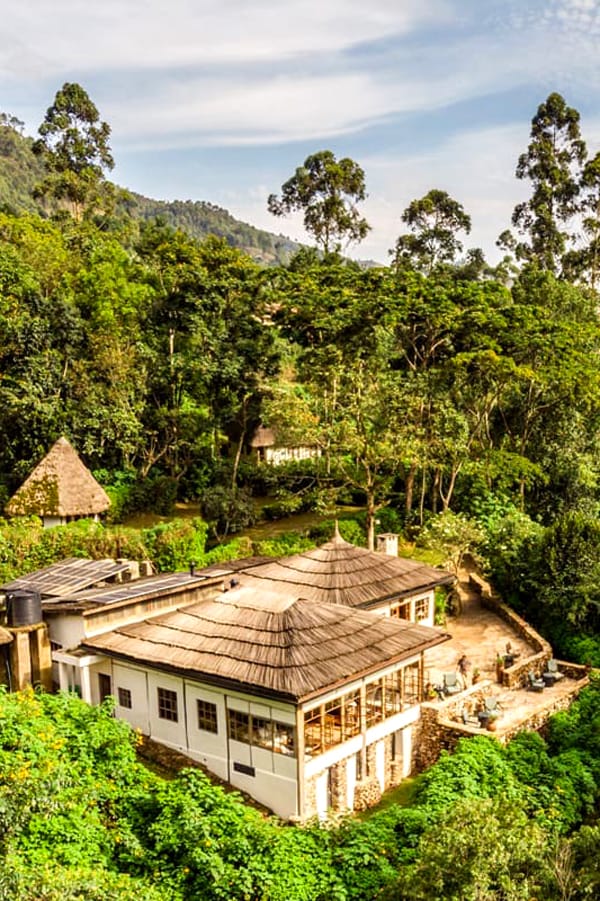
Uganda offers a wider range of accommodation styles around Bwindi and Mgahinga. Guests can choose from intimate forest lodges, comfortable mid-range properties, luxury camps, and scenic retreats overlooking hills, valleys, or thick forest. This flexibility makes Uganda suitable for different budgets without losing the emotional quality of the journey.
The lodge choice can shape the entire trip. A beautiful lodge in the wrong sector may create unnecessary driving on the morning of the trek. A cheaper lodge may save money but reduce comfort after a demanding day in the forest. A well-located lodge can make the experience smoother, calmer, and more enjoyable.
Deluxe Vacations Uganda helps guests avoid these common planning mistakes. The team matches accommodation to the trekking permit location, guest expectations, travel pace, and preferred comfort level. The goal is not just to book a room. It is to create a restful base before and after one of the most important wildlife experiences of the journey.
What Else Can You Do Beyond Gorillas?
This is where Uganda becomes especially attractive.
A Rwanda gorilla safari can combine well with golden monkey tracking, visits connected to Dian Fossey’s conservation legacy, Kigali city experiences, and Nyungwe Forest for chimpanzee tracking. Rwanda is compact and well organised, which makes it ideal for travellers who want a smooth primate-focused itinerary.
Uganda offers more variety in one country. After gorilla trekking in Bwindi or Mgahinga, travellers can continue to Kibale Forest for chimpanzee tracking, Queen Elizabeth National Park for game drives and boat safaris, Lake Bunyonyi for rest and scenery, or Murchison Falls National Park for a classic big-game safari. Uganda also offers strong cultural encounters, birding, crater lakes, community visits, and private guided journeys through changing landscapes.
This makes Uganda a better choice for travellers who want more than one highlight. Gorilla trekking can become the emotional centre of a much broader Uganda safari.
Deluxe Vacations Uganda builds these journeys with flow. Instead of placing activities side by side, the itinerary is designed to make sense day by day. A demanding gorilla trek may be followed by a slower lake stay. A primate experience in Bwindi may be paired with chimpanzee tracking in Kibale. A forest journey may be balanced with open savannah and boat safaris.
This kind of thoughtful pacing is what turns a trip into a memorable experience.
Photography and Personal Moments
Gorilla trekking is often described through facts: permit prices, travel time, park names, and trekking sectors. But the real memory is usually much quieter.
It may be the first sound of branches breaking ahead of you. It may be the guide lowering his voice because the gorillas are close. It may be a silverback sitting calmly in the forest, a young gorilla playing near its mother, or the sudden feeling that time has slowed down.
Photography is part of the experience, but it should not take over the moment. Rwanda can sometimes offer clearer conditions depending on vegetation and gorilla location. Uganda’s Bwindi Forest can be more challenging because of dense greenery and shifting light, but it often produces deeply atmospheric images.
Deluxe Vacations Uganda helps guests prepare for this balance. Guides can advise on camera readiness, porter support, trekking pace, and how to enjoy the hour without feeling rushed. The aim is not only to see gorillas, but to experience the encounter with attention and respect.
Conservation and Responsible Travel
Mountain gorilla trekking exists because conservation, tourism, and local communities work together. Permit fees support park protection, ranger work, monitoring, veterinary care, and community development. This is true in both Rwanda and Uganda.
Responsible travel matters. Guests are expected to follow distance rules, avoid trekking when sick, listen to rangers, keep voices low, and respect the gorillas’ space. These rules protect both visitors and wildlife.
Deluxe Vacations Uganda encourages guests to travel with this awareness. The company’s role is not only to arrange transport, permits, and lodges. It is also to help travellers understand the privilege of entering a gorilla habitat and the responsibility that comes with it.
When planned well, a gorilla safari supports conservation while also creating meaningful benefits for local communities through employment, guiding, lodge work, porter services, crafts, and community tourism.
Which Destination Is Right for You?
Choose Rwanda if you want the shortest travel time, simple logistics, and a polished gorilla trekking experience close to Kigali. Rwanda is ideal for travellers with limited time or those who want a brief high-end gorilla safari. For travellers comparing gorilla trekking Rwanda vs Uganda, Rwanda often stands out for convenience and ease of access.
Choose Uganda if you want better value, more variety, and a deeper safari experience. Uganda is ideal for travellers who want to combine gorilla trekking with chimpanzees, wildlife safaris, scenic lakes, cultural travel, and private guided exploration. For many travellers weighing gorilla trekking Rwanda vs Uganda, Uganda feels more rewarding because the gorilla encounter becomes part of a wider safari journey rather than a stand-alone experience.
For many Deluxe Vacations Uganda guests, Uganda offers the stronger overall journey because it gives more than a single gorilla encounter. It gives context, contrast, and a richer connection to East Africa.
Final Thoughts
Gorilla trekking in Rwanda and Uganda is exceptional in different ways. Rwanda offers ease, elegance, and quick access. Uganda offers depth, value, variety, and a more expansive safari experience.
The best choice depends on the traveller. Some guests need a short, seamless Rwanda gorilla safari. Others want a fuller Uganda safari where gorillas are part of a wider journey through forests, lakes, savannahs, and local communities.
With Deluxe Vacations Uganda, the process is personal from the beginning. The team helps guests choose the right country, secure permits, select the best trekking sector, arrange comfortable accommodation, plan smooth transfers, and build an itinerary that feels considered from start to finish.
A memorable gorilla safari is not created by the permit alone. It is created by good planning, honest guidance, local knowledge, and thoughtful care at every step. That is where Deluxe Vacations Uganda fits in: making the journey easier, richer, and more personal, so guests can focus on the rare privilege of meeting mountain gorillas in the wild.