When travelers receive a Uganda safari cost, the number often prompts a predictable set of questions. Will I have my own vehicle? Are meals included? What about the gorilla permit? Is this per person or per group? These are fair questions, and the answers vary significantly depending on the operator you choose.
Understanding what goes into a safari cost helps you compare quotes with confidence, ask the right questions, and recognize the difference between a price that is genuinely competitive and one that looks attractive because it is missing several essentials. Here is what a well-structured Uganda safari package typically includes, and where the important distinctions lie.
Accommodation: Quality and Meal Plan
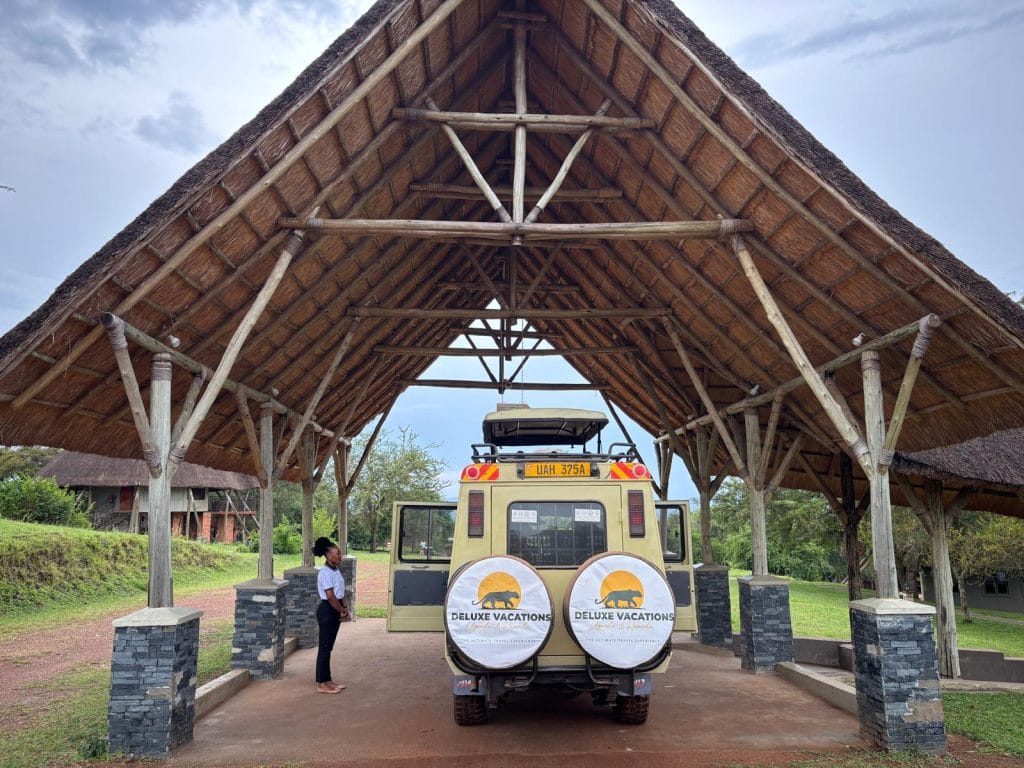
In most Uganda safari packages, accommodation is offered on a full-board basis, meaning breakfast, lunch, and dinner are included at your lodge or camp. This is standard for nights spent inside or near national parks, where independent dining options are limited and leaving the property in the evening is often impractical. Understanding what is included in accommodation is an important part of evaluating overall Uganda safari cost, particularly when comparing quotations from different operators.
However, meal plans alone do not tell the full story. Lodge quality plays an equally important role in shaping both the safari experience and Uganda safari cost. Two itineraries may both advertise full board, yet deliver very different standards of comfort depending on whether the accommodation is a simple mid-range property or a luxury safari lodge with experienced staff, reliable electricity, refined dining, strong wildlife proximity, and thoughtfully designed rooms. In practice, accommodation standards often explain why safari prices vary more than travelers initially expect.
The exception to full board is usually the day of arrival. Responsible operators often book the first night on a bed-and-breakfast basis because arrival times vary, flight schedules change, and it is rarely practical to guarantee dinner when some travelers land late in the evening. This also avoids charging guests for meals they may not use. If your quotation includes full board from the first night without explanation, it is worth asking how late arrivals are handled.
When reviewing accommodation, avoid relying only on labels such as budget, mid-range, or luxury. Ask for the exact lodge names so you can assess the quality independently. Understanding the accommodation standard behind the pricing will help you determine whether the quoted Uganda safari cost reflects genuine value, better positioning, and higher service levels, or simply a cheaper operating model.
Transportation and Uganda Safari Cost
Transportation is one of the areas where Uganda safari cost can differ most substantially, and where the gap between operators is not always visible in the quote itself.
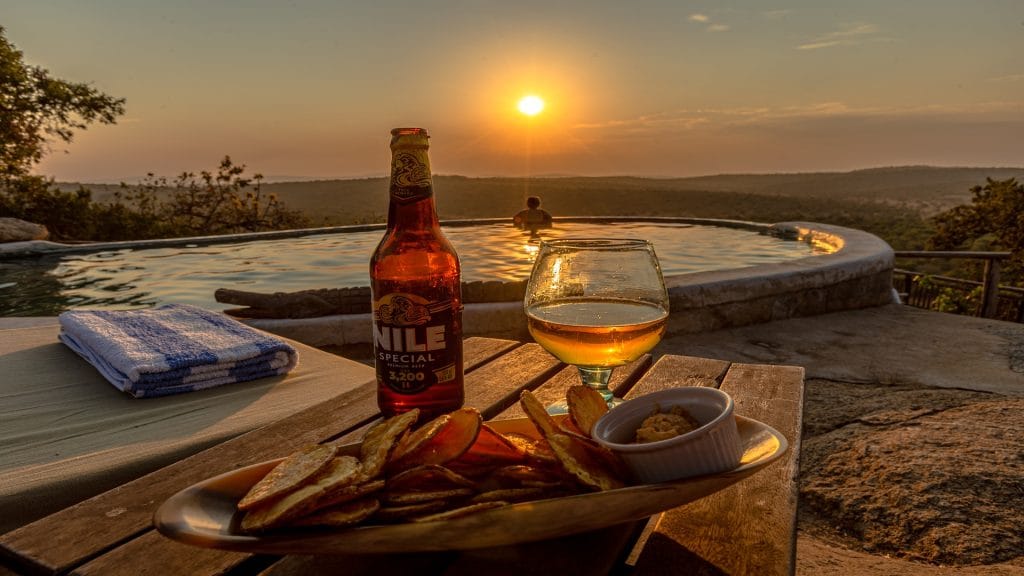
A quality Uganda safari should include transportation in a customized 4×4 Land Cruiser. These vehicles are built for the terrain, elevated seats, pop-up roofs for standing game viewing and photography, four-wheel drive for the red murram roads of Bwindi or the tracks of Queen Elizabeth National Park, and enough ground clearance for conditions that would stop most other vehicles. They are not just comfortable. In many areas, they are the only sensible option.
Some operators quote safaris based on minivan transportation. Minivans are cheaper to run, but they are not suited to Uganda’s more remote roads, lack the roof hatches that make game drives genuinely rewarding, and can feel cramped on long transfers. This is not always disclosed upfront. Before accepting a quote, confirm the specific vehicle type. If it is not explicitly stated as a 4×4 Land Cruiser or equivalent, ask.
For safaris involving long drives between parks, the vehicle matters more than travelers often realize. The Kampala to Bwindi drive, for example, takes seven to eight hours on a good day. How you travel that distance, and how the day is structured around it, shapes the experience considerably.
Hot Lunches En Route: A Small Detail That Shapes Uganda Safari Cost
On longer transfer days, how lunch is handled says a lot about an operator’s approach and can subtly influence overall Uganda safari cost expectations. The standard for many mid-range companies is a packed lunch, typically prepared at the lodge and eaten roadside or at a designated rest stop. It is functional, but it has limitations, especially on warm days.
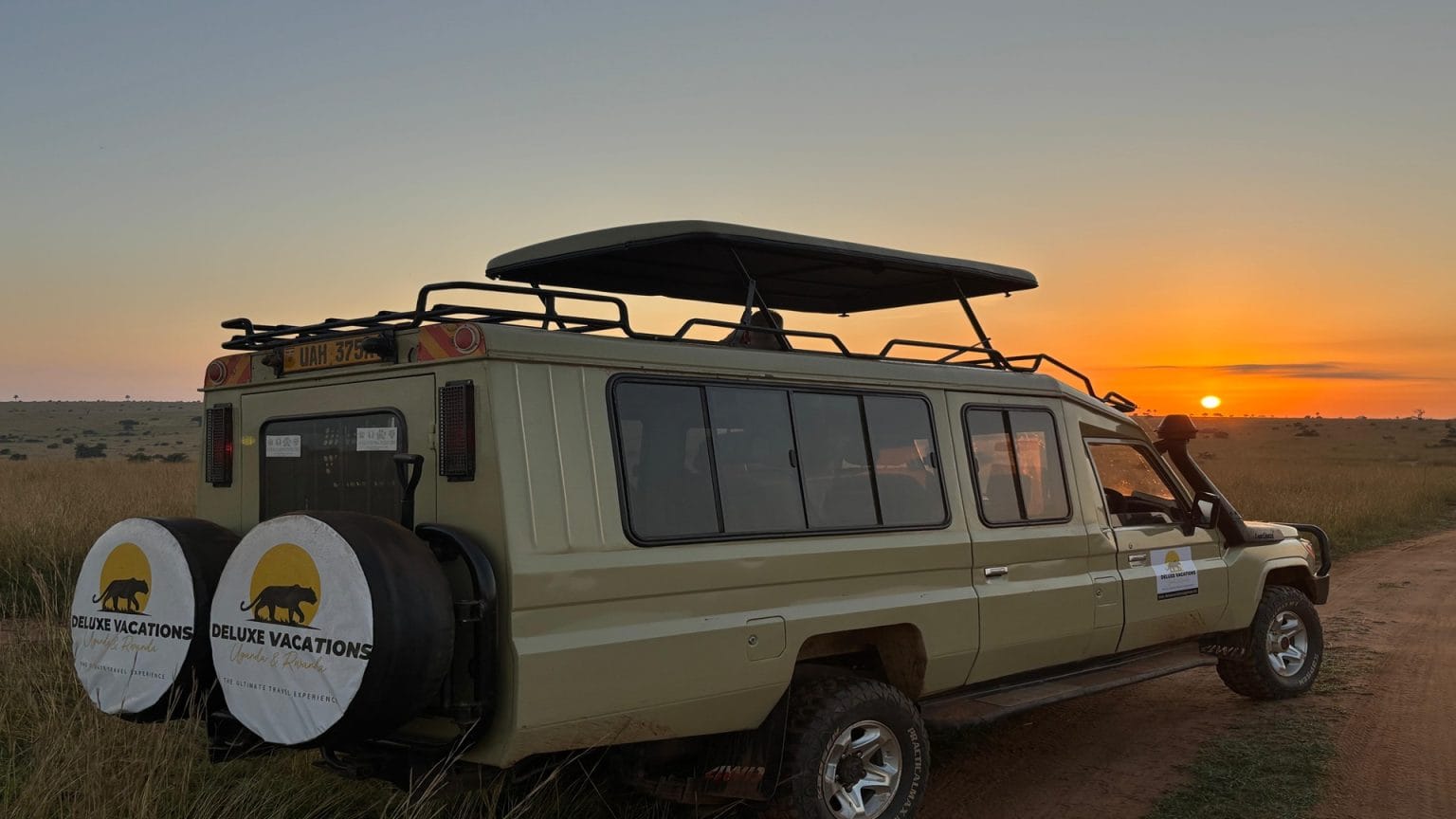
Operators at the higher end of the market provide hot lunches en route, usually at a well-regarded restaurant along the route. This means a properly cooked meal, a chance to stretch properly, clean facilities, and a more dignified break during a long day of travel. For guests who have paid for a premium experience, arriving at Bwindi after eight hours in a Land Cruiser with a tired packed lunch feels like a mismatch.
If this is important to you, ask explicitly. The difference in cost to the operator is modest, but the difference in experience is noticeable.
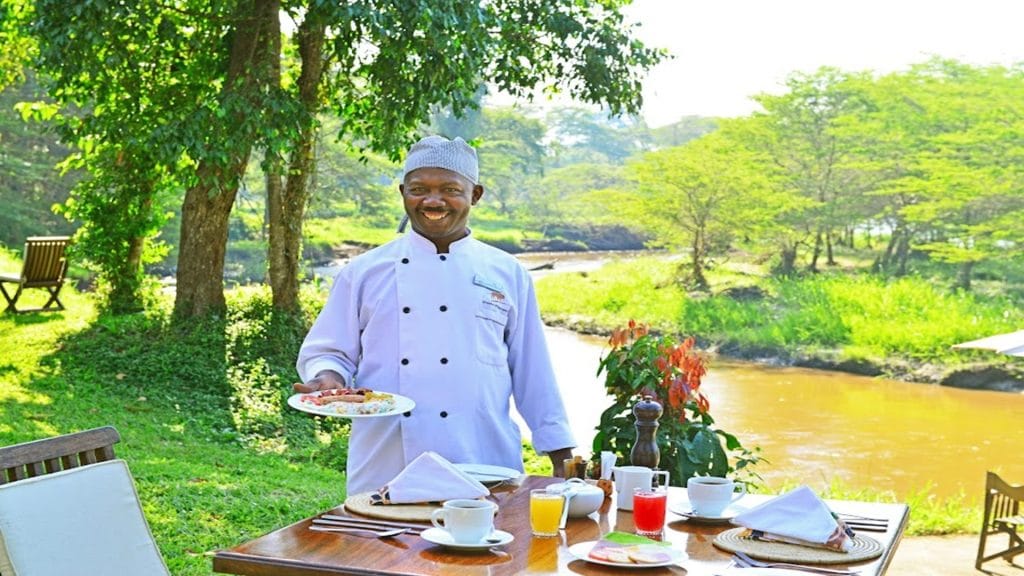
The Guide: The Most Underrated Part of Any Safari
No single factor determines the quality of a Uganda safari more than the guide. This is not a marketing claim. It is something repeat safari travelers consistently report, and it becomes especially apparent in Uganda’s primate-focused destinations.
A good guide is not simply someone who drives you between parks and knows the park entrance fees. A good guide understands animal behavior well enough to position the vehicle before a sighting develops rather than reacting after it has passed. They know the birdlife with enough specificity to actually identify what you are looking at. They have established relationships with rangers, trackers, and lodge staff that smooth out the small logistical friction that safari travel inevitably produces. And they read the group, adjusting pace, explanation depth, and energy based on who they are traveling with.
In Uganda specifically, chimpanzee trekking in Kibale Forest, gorilla trekking in Bwindi, and wildlife drives in Queen Elizabeth and Murchison Falls all benefit enormously from a guide who understands what they are looking at. Watching a habituated chimpanzee community without context is interesting. Watching it with a guide who explains the social dynamics you are observing, points out a mother’s behavioral shift before it happens, and knows the individual animals by name is a different experience entirely.
Ask operators how long their guides have been working with them, whether they are employed full time or contracted per trip, and what training or accreditation they hold. The answers reveal a lot about how seriously an operator takes this part of the experience.
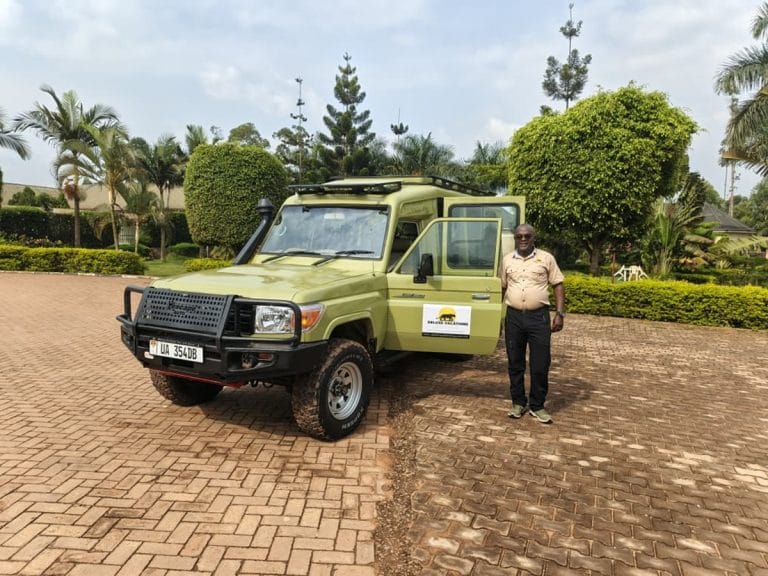
Snacks, Fruit, and Drinking Water in the Vehicle
On a hot afternoon drive between Kasese and Fort Portal, or during a game drive that extends longer than expected, having water and snacks in the vehicle is not a luxury. It is a basic operational standard that well-run companies build into their packages without discussion.
Reputable operators stock the vehicle with bottled water, seasonal fruit, and light snacks throughout the safari. This is particularly relevant on game drives, where you may spend four or more hours in the field without access to a lodge kitchen. Staying properly hydrated matters in equatorial heat, and small things like a cold bottle of water or fresh pineapple during a long drive reflect how an operator thinks about the experience rather than just the logistics.
Not all companies include this as a matter of course. If you are comparing quotes, it is a reasonable question to ask.
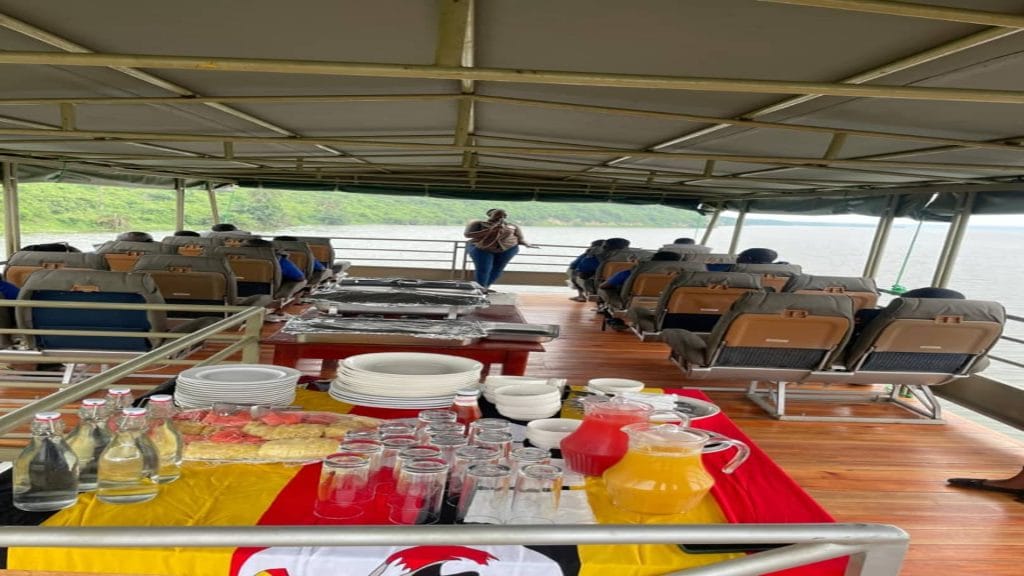
Complementaries On safari
Wi-Fi in the Vehicle
Most travelers heading on safari want to disconnect, but most also want the option to share a photograph, check in with family, or download a field guide on a long drive. Vehicle Wi-Fi is not yet standard across the industry, but it is increasingly available with operators who have invested in the infrastructure.
Having a reliable mobile hotspot in the vehicle removes the scramble for connectivity at lodges and allows guests to manage the small things that inevitably come up during a two-week trip, without it becoming a distraction from the safari itself. For photographers wanting to back up images on the move, it is genuinely useful.
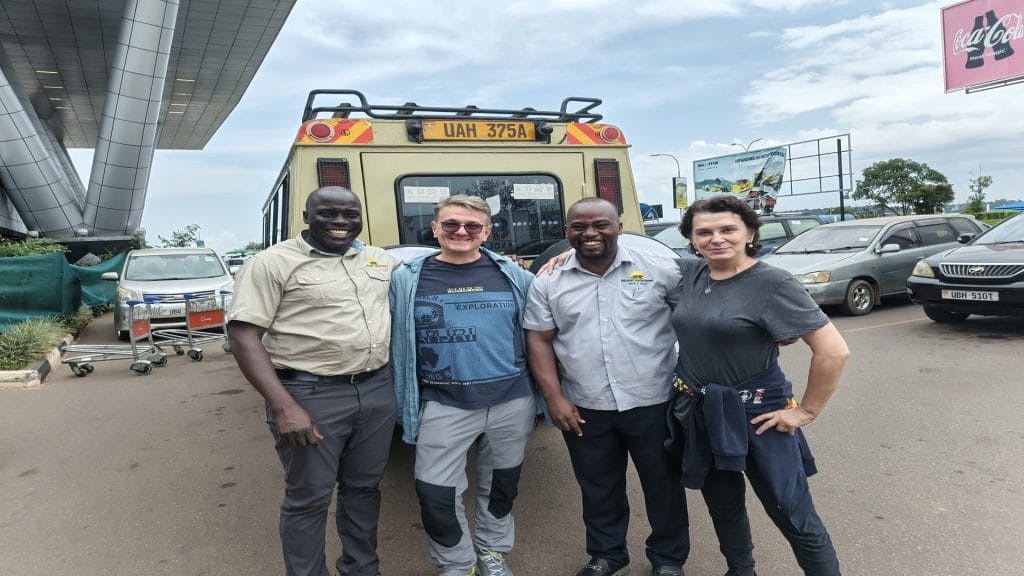
Complementary Airport Meet and Greet
Arriving in a new country for the first time, particularly after a long-haul flight, is much smoother when someone is waiting for you on the other side of arrivals. A meet-and-greet service at Entebbe International Airport, organized by your safari operator, removes the uncertainty of the first hour in Uganda.
This typically includes assistance through the arrival process, help with luggage, and a transfer to your first night’s accommodation or directly to Kampala. It costs the operator very little to provide and costs the traveler significant stress when it is not there. Consider its absence in a quote a small but meaningful signal about how an operator approaches hospitality.
Gaiters for Gorilla Trekking
Gorilla trekking in Bwindi Impenetrable National Park involves moving through dense equatorial forest, across streams, along muddy slopes, and through vegetation that tends to reach ankle level. Gaiters, which wrap around the lower leg and boot to keep out mud, insects, and undergrowth, make a practical difference on the trek.
Not every operator provides them. Some leave guests to source their own or to rent from the park. Operators who supply quality gaiters as part of the trekking kit are making a small but telling investment in the guest experience. If you are booking a gorilla trekking safari and gaiters are not mentioned, ask whether they are provided.
Shared Safaris vs. Private Tailored Itineraries: What It Means for Uganda Safari Cost
Some operators sell shared group departure safaris, where travelers who do not know each other are placed in the same vehicle and follow the same itinerary. These departures can bring Uganda safari cost down substantially on a per-person basis, which makes them attractive at first glance.
The trade-offs are real. You are on a fixed schedule designed for a group rather than for your personal interests or travel style. If someone in the group has different pace preferences, interests, or physical needs, the experience adjusts for everyone. Photography opportunities, which often require stopping for longer than a group schedule allows, can become a source of tension. Dining times, game drive durations, and lodge selection are all predetermined.
A tailored private safari, by contrast, is built around your specific interests, travel style, physical condition, and schedule. If you want to spend an extra morning at Murchison Falls, you can. If chimpanzee habituation in Kibale matters more to you than a game drive in Queen Elizabeth, the itinerary reflects that. The vehicle is yours, the guide is focused entirely on your group, and the pace is yours to set.
For most travelers investing in a Uganda safari, particularly for the first time, understanding how travel style affects overall Uganda safari cost is important. A tailored itinerary typically costs more than a shared departure, but the difference in flexibility, comfort, and personal experience is often considerable. The price difference is real, but so is the difference in what you come home having experienced.
What Is Usually Not Included in the Uganda safari cost
Even comprehensive safari packages typically exclude a few categories. Gorilla and chimpanzee trekking permits are sometimes excluded from the base quote and listed separately, given their fixed government cost. International flights are almost never included. Travel insurance is the traveler’s responsibility. Personal items, laundry beyond what lodges provide, and alcoholic beverages at lodges are standard exclusions. Tips for guides, trackers, and lodge staff are also the traveler’s decision, though guidance on appropriate amounts is something good operators provide proactively.
Ask for a clear inclusions and exclusions list before confirming any booking.
Planning Your Uganda Safari
If you are at the stage of comparing Uganda safari costs and trying to understand what you would actually be getting, the most useful step is a direct conversation with the operator. A quote tells you a number. A conversation tells you what that number represents and whether the company behind it understands what you are looking for.
Uganda’s national parks, its mountain gorillas, its chimpanzees, and its landscapes are genuinely worth the investment of a well-planned safari. The difference between a memorable trip and a merely adequate one often comes down to choices that are not immediately visible in a price comparison: the vehicle, the guide, the detail that someone thought to provide gaiters, the hot lunch on the long drive south.
Get in touch with our team to start planning your Uganda safari itinerary. We are happy to walk you through what is included, answer any questions about costs, and help you build a trip that fits both your interests and your budget.
Deluxe Vacations Uganda specializes in tailored private safaris across Uganda, Rwanda, and East Africa. All safaris include private 4×4 Land Cruiser transport, full-board accommodation (excluding arrival nights), an experienced guide, snacks and water throughout, vehicle Wi-Fi, hot lunches on long transfers, airport meet and greet, and gaiters for gorilla trekking.