
If you are planning a safari and wondering about the best time to visit Uganda, the short answer is simple: Uganda is a year-round destination. However, the better answer depends on what kind of experience you want.
Some travelers want dry trails for gorilla trekking. Others prefer quieter lodges, fewer vehicles in national parks, and a greater sense of privacy. Some prioritize wildlife viewing, while others want greener landscapes, softer light for photography, or better travel value.
Unlike destinations where travel is heavily restricted to a short season, Uganda offers rewarding safari experiences throughout the year. Gorilla trekking happens every day of the year. Wildlife safaris continue across the national parks, and luxury lodges remain open across seasons. The key difference is understanding what changes from month to month and what stays remarkably consistent.
In this guide, we explain the best time to visit Uganda for gorilla trekking, wildlife safaris, chimpanzee tracking, and luxury travel, while helping you decide which season best matches your travel style.
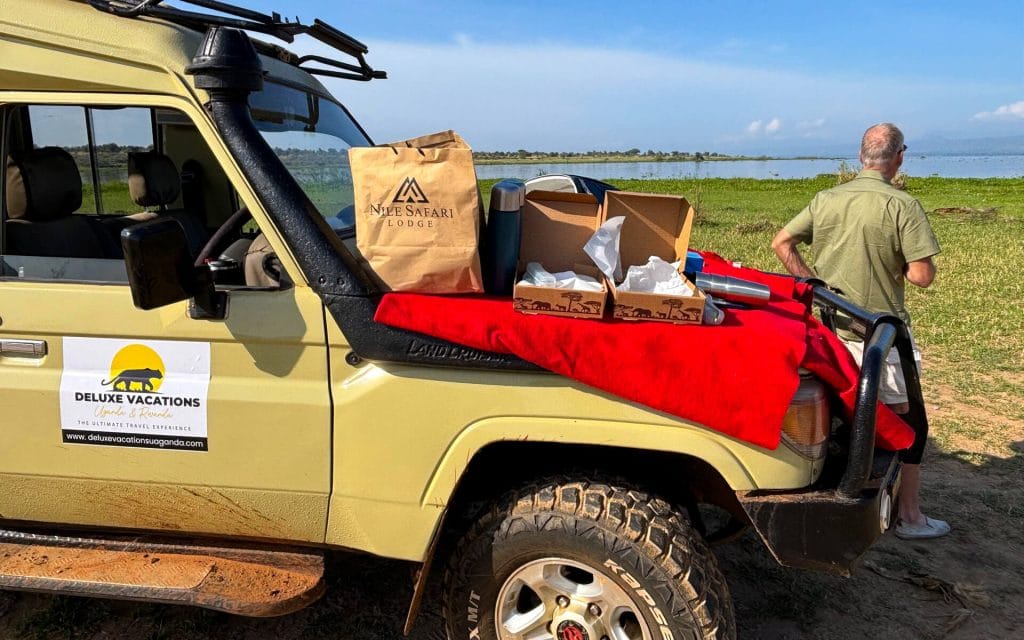
Is There a Best Time to Visit Uganda?
The best time to visit Uganda is often considered the dry season, particularly from June to September and December to February. These months are popular because rainfall is generally lighter, safari tracks are drier, and gorilla trekking trails can feel easier underfoot. Wildlife viewing also becomes slightly easier in some parks because vegetation is thinner and animals gather around water sources. That said, this does not mean Uganda should only be visited during these months.
One of the biggest misconceptions travelers have is assuming that rainy season means constant rain or a poor safari experience. In reality, Uganda’s weather is more nuanced. Rain often arrives as short showers rather than full-day downpours. Conditions vary by region, altitude, and timing. Many travelers visit during so-called low season months and enjoy excellent safaris with very little disruption.
At Deluxe Vacations Uganda, we have hosted guests who traveled in March for an eight-day safari and experienced little to no rainfall during their trip. What stood out even more was the atmosphere: quieter lodges, fewer safari vehicles, and a stronger sense of exclusivity. So rather than asking, “What is the perfect month?” a better question may be: What season best fits the kind of safari I want?
For travelers comparing destinations, our guide to Gorilla Trekking in Uganda vs Rwanda can help explain how seasonality affects both countries.
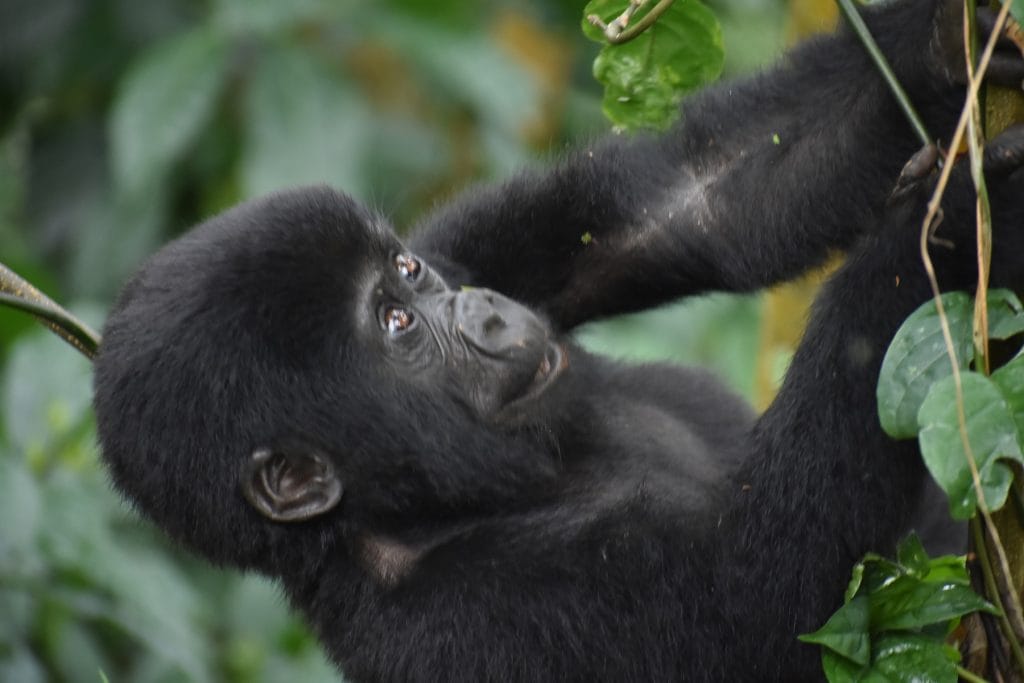
Uganda Safari Seasons Explained
Uganda generally has two dry seasons and two wetter periods.
Dry Season: June to September and December to February
For many travelers, this is considered the classic safari season. Trails are often firmer for gorilla trekking and chimpanzee trekking. Wildlife viewing conditions are strong, and travel logistics may feel slightly easier, especially in remote safari regions. Popular destinations such as Bwindi Impenetrable Forest, Queen Elizabeth National Park, Murchison Falls National Park, Kibale Forest, and Kidepo Valley National Park attract more visitors during this period.
During dry season, you can expect:
- Easier hiking conditions for gorilla trekking
- Reliable safari logistics across national parks
- Busier lodges and stronger advance booking demand
- More travelers in parks and shared safari areas
If you are traveling during June, July, August, or December, booking early matters, particularly for gorilla permits and premium accommodation.
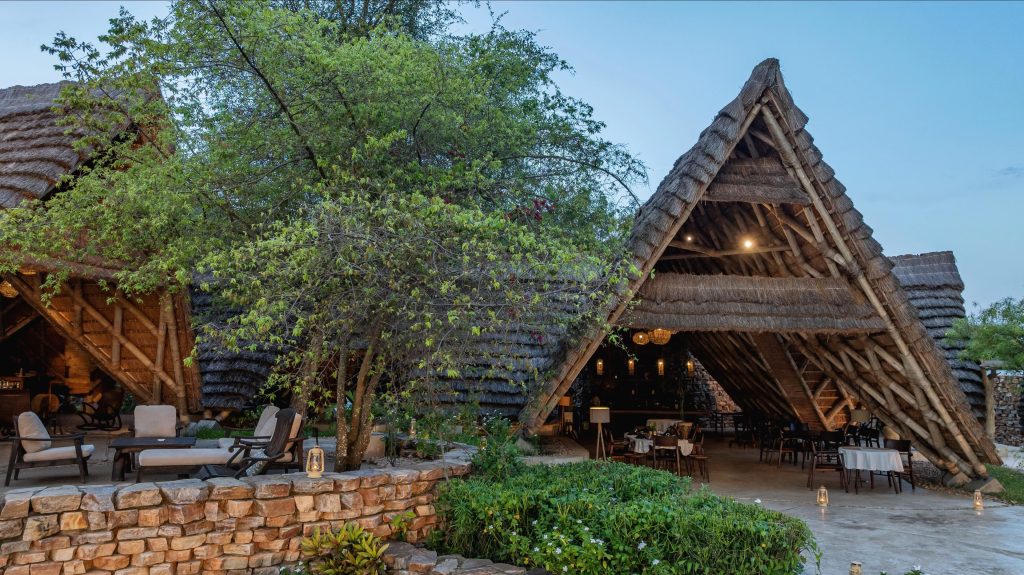
The Green Season: March to May and October to November
Many safari travelers hesitate when they hear the phrase “rainy season.” Yet for Uganda, these months deserve a more balanced conversation. March, April, May, October, and November are often called low season or green season months. While rainfall is more likely, these periods can offer a surprisingly rewarding safari experience. The first thing to understand is this: Rain does not usually mean constant rain. You may experience short afternoon showers, overnight rain, or occasional wet mornings, followed by clear skies later in the day. Conditions vary significantly.
The second thing many travelers notice is space. Fewer visitors mean quieter safari experiences. Lodges feel calmer. Viewing areas are less crowded. Gorilla trekking groups remain small, but the overall atmosphere often feels more private. In some cases, travelers feel they are seeing Uganda at a gentler pace.
You are still tracking mountain gorillas. You are still seeing elephants, buffalo, lions, giraffes, hippos, and chimpanzees. The wildlife experience does not suddenly disappear because the calendar says April. In fact, many safari specialists quietly appreciate these months because landscapes become greener and more dramatic after rainfall.
For photographers, this season often brings richer scenery and softer light.
Potential advantages of traveling during low season include:
- Fewer travelers in national parks
- A more exclusive feel at lodges
- Better room availability at sought-after properties
- Greener landscapes for photography
- Flexible routing opportunities
However, it is important to remain realistic. Some roads may become muddier, drive times may occasionally change, and trekking conditions can feel more demanding after rain. This is where working with an experienced safari planner becomes valuable.
Another important consideration is cost.
Uganda now offers discounted gorilla trekking permits during low season. From March, April, May, and October through November, permits cost $600 per person, dropping from the high season rate of $800.Uganda now offers discounted gorilla trekking permits during low season months. From March, April, May, and October to November, The Uganda Wildlif Authority now now prices gorilla permits at $600 per person, compared to $800 during high season.
For travelers already considering a gorilla safari, this creates an interesting balance: quieter parks, fewer visitors, and meaningful savings, while still enjoying the same core wildlife experience.
In many cases, travelers visiting during low season are seeing the same mountain gorillas, staying in the same lodges, and following similar safari routes as those traveling in July or August, only with a quieter atmosphere and fewer crowds.
For a fuller breakdown of planning costs, accommodation, permits, and safari budgeting, see Uganda Safari Costs.
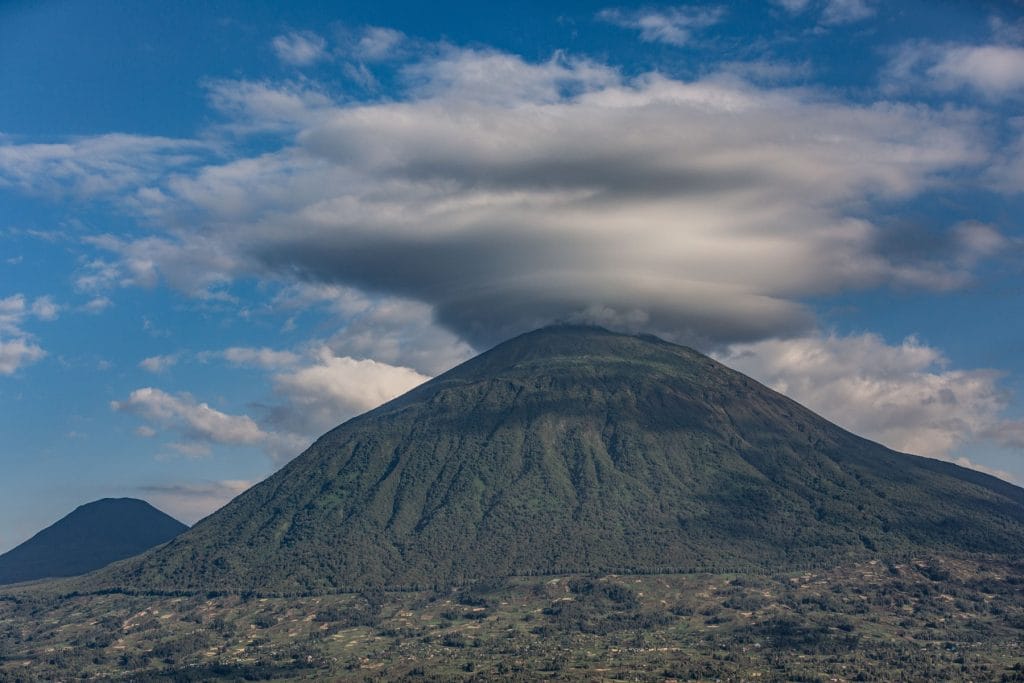
Best Time for Gorilla Trekking in Uganda
Many travelers researching the best time to visit Uganda are ultimately asking one question:
“When is the best time for gorilla trekking?”
The practical answer is that gorilla trekking happens year-round. Mountain gorillas do not migrate seasonally, and permits are available throughout the year. The dry months of June to September and December to February are often preferred because forest trails are typically easier to navigate. However, Uganda’s forests remain rainforest environments. Even in dry season, rain is still possible. Travelers sometimes imagine dry season as permanently sunny and green season as nonstop rain. Uganda rarely behaves that predictably.
During green season, gorilla trekking can feel quieter and more intimate. Some travelers value this deeply, especially honeymooners, photographers, or repeat Africa visitors looking for a slower pace.
The best approach is to choose based on preference:
- Prefer easier hiking conditions? Dry season may suit you better.
- Prefer fewer travelers and quieter lodges? Green season may appeal more.
- Want flexibility and better lodge availability? Shoulder periods can work beautifully.
Best Time for Wildlife Safari in Uganda
Uganda’s wildlife safari experience changes subtly through the year rather than dramatically.
In parks such as Queen Elizabeth National Park and Murchison Falls National Park, dry season can make game viewing slightly easier because grasses are shorter and wildlife may concentrate around water. However, safari expectations matter. Uganda is not only about classic savannah wildlife. It is also about primates, forests, volcanic landscapes, cultural encounters, and quieter safari experiences.
Even during greener months, visitors continue enjoying rewarding wildlife sightings.
Lake Mburo National Park remains excellent for walking safaris and zebra sightings. Queen Elizabeth still offers tree-climbing lions and boat cruises on the Kazinga Channel. Murchison Falls continues delivering strong game drives and river experiences.
Many travelers combine gorilla trekking with wildlife safaris in one itinerary.
Frequently Asked Questions About the Best Time to Visit Uganda
What is the best month to visit Uganda?
There is no single best month to visit Uganda because travel priorities vary. June to September and December to February are often preferred for drier conditions, while March to May and October to November can feel quieter and more exclusive with fewer travelers.
Can you visit Uganda during the rainy season?
Yes. Uganda can be visited throughout the year. Rainy season does not usually mean nonstop rain. Many travelers experience short showers followed by clear weather, and safari activities including gorilla trekking continue as normal.
Is March a good time to visit Uganda?
Yes. March is considered part of the green or low season, which often means quieter lodges, fewer visitors, and greener landscapes. Some travelers enjoy a more relaxed atmosphere and occasionally experience very little rainfall during their safari.
What is the best time for gorilla trekking in Uganda?
Gorilla trekking happens year-round. Dry season months from June to September and December to February are often preferred for firmer trails, while low season months can offer quieter trekking experiences and discounted permits.
Are gorilla permits cheaper in low season?
Yes. Uganda currently offers discounted gorilla permits during low season months. Permits cost $600 during March, April, May, and October to November, compared to $800 in high season.
For more planning details, see Uganda Safari Costs.
Is Uganda crowded during peak safari season?
Uganda remains quieter than many safari destinations, but popular months such as July, August, and December often have greater demand for lodges and gorilla permits. Booking earlier is recommended, especially for premium accommodation.
How many days do you need for a Uganda safari?
This depends on your interests and pace. A short gorilla trekking safari can be done in 3–5 days, while travelers combining gorillas, chimpanzees, wildlife safaris, and luxury lodges often prefer 7–12 days.
See our Safari Itineraries for planning ideas.