
UGANDA SAFARI JOURNAL · Planning for 2027 · Reviewed 19 October 2026
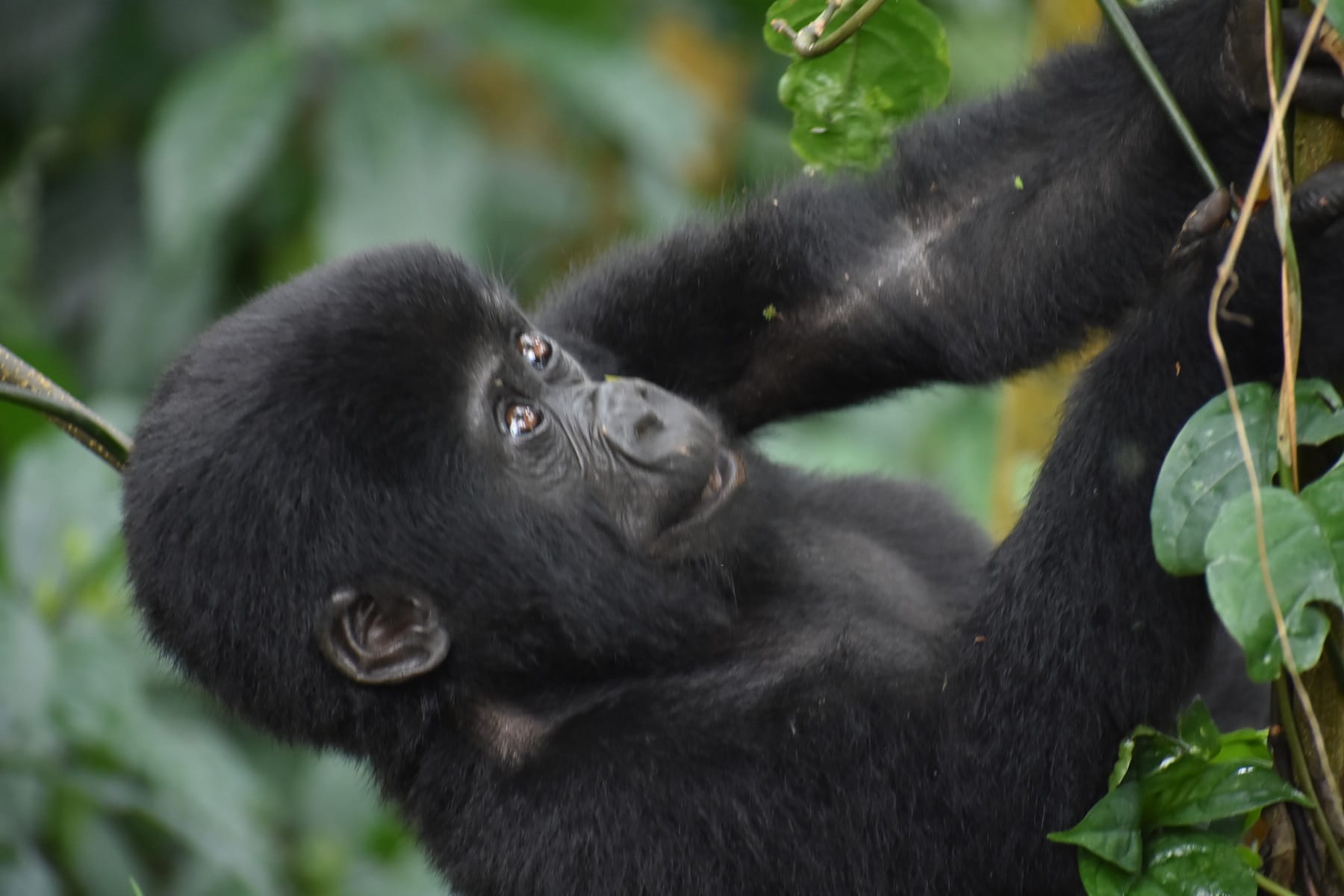
Is extra time with mountain gorillas worth the additional permit cost? For patient wildlife enthusiasts, it can be. For others, a standard trek leaves more room in the budget for a longer, better-balanced safari.
The gorilla habituation experience in Uganda in 2027 offers a different pace of encounter: up to four hours with a family still becoming accustomed to controlled human presence. Yet more time does not mean four uninterrupted hours of clear photographs. Gorillas move, vegetation obscures views, and the ranger decides how the visit unfolds.
This guide helps you choose between habituation and standard trekking, understand the official prices, and plan the right lodge and route in southern Bwindi.
What is the Gorilla Habituation Experience?
Habituation is the gradual process through which a wild gorilla family becomes more tolerant of carefully managed human presence. The visitor experience accompanies a UWA team involved in that process. It is an opportunity to observe and learn, rather than a promise of hands-on research.
Expect the gorillas to set the rhythm. A family may feed quietly, disappear into dense undergrowth, or move uphill. The appeal lies in following that changing story and learning from the people who monitor them. Neither habituating nor fully habituated gorillas are tame.
Gorilla habituation vs standard gorilla trekking in Uganda
The main distinction is the observation allowance and the family’s stage of habituation. Both experiences involve walking through mountain forest. Standard trekking can also be demanding, so choosing it does not guarantee an easy hike.
| Planning factor | Standard trekking | Habituation |
|---|---|---|
| Time with gorillas | Up to one hour | Up to four hours |
| Visitor limit | Eight per family per day | Four per habituation group per day, excluding staff |
| Family | Habituated for tourism | Undergoing habituation |
| 2027 FNR permit | US$800 normally; US$600 in listed low-season months | US$1,800 |
| Character | A focused encounter | Longer observation with more uncertainty |
| Photography | Can offer settled viewing | More time, but no guarantee of better views |
For the broader practicalities of standard trekking, read our gorilla trekking in Uganda guide for 2027.
How much does gorilla habituation cost in 2027?
UWA’s official 2026–2027 tariff notice confirms the following habituation prices from 1 January 2027. These are permit fees per person, rather than complete safari prices.
| Visitor category | Habituation permit |
|---|---|
| Foreign non-resident | US$1,800 |
| Foreign resident | US$1,600 |
| Rest of Africa | US$1,000 |
| East African citizen | UGX 750,000 |
For a foreign non-resident, habituation costs US$1,000 more than the usual US$800 standard permit. UWA also lists US$600 standard permits in April, May and November, making that difference US$1,200 in those months. The notice does not offer an equivalent habituation discount. Low-season standard permits cannot be rescheduled; confirm eligibility and current terms before payment.
Your wider budget must include accommodation, transfers, guiding, optional flights, meals outside the lodge plan, porter services, gratuities and insurance. Ask for a quotation that separates permits from ground arrangements. Our Uganda safari cost guide explains the other main components.
What happens during a gorilla habituation experience?
The day starts with an early transfer from your lodge to the assigned briefing point. Have your passport, packed lunch, drinking water and rain protection ready. Your guide confirms reporting arrangements in advance.
After the briefing, you walk with the park team. Established paths may give way to uneven ground and thick vegetation. Once the encounter begins, there may be periods of watching and periods of moving to follow the family.
The four-hour allowance is not the total duration of the trip. Add the outward search, return walk and transfers. Nor should it be read as four hours of continuous close viewing. Keep the entire day free and leave dinner plans flexible. Ask the briefing team how the observation period will be managed that morning.
Where does gorilla habituation take place in Bwindi?
Plan around Rushaga in southern Bwindi Impenetrable National Park, with the exact group and reporting point confirmed through UWA. Do not assume that a permit for another Bwindi sector gives access to habituation.
Geography matters here. Buhoma sits on another side of the forest, and a lodge described simply as “in Bwindi” may be unsuitable for your early start. Choose the permit, lodge and transfer together. Active habituation groups and operational arrangements can change, so avoid relying on old family names or a fixed park-wide daily total.
Kisoro is the relevant airstrip to consider for a southern Bwindi fly-in itinerary. A road transfer is still needed. Flight schedules, baggage rules, weather and onward connections must be checked for the travel date.
Is gorilla habituation worth US$1,800?
It is worth considering when the additional time is central to why you are visiting Uganda. It is less compelling when the upgrade would remove experiences you care about elsewhere in the safari.
For photographers and wildlife enthusiasts
Extra time gives you more opportunities to watch behaviour unfold, understand family relationships and put the camera down. However, a moving family in dark forest can be harder to photograph than a settled habituated group. Choose habituation for time and interest, rather than a guaranteed portfolio.
For couples and returning Africa travellers
A shared interest in primates can make this a memorable centrepiece. Discuss stamina and expectations together before booking. Returning visitors may especially appreciate a different perspective after a previous standard trek.
For first-time visitors or guests with limited time
A standard trek remains an extraordinary encounter. We would often recommend it when the alternative means sacrificing a recovery night, comfortable transfers or chimpanzee tracking. A premium safari is shaped by how well the whole journey fits you.
Two standard treks are another option. At the usual foreign non-resident rate, two permits total US$1,600, but require two activity days and additional accommodation. They offer separate encounters, each with a one-hour limit. That is a different proposition from one longer habituation day.
How difficult is gorilla habituation?
Prepare for sustained walking on steep, slippery and uneven ground. Extended time in the forest can make the day tiring even when the initial search is short. Your fitness, weather and the family’s movements all influence the effort required.
Build up hill walking before travel, wear boots you have already used, and consider hiring a porter. Share knee, back, mobility or breathing concerns during planning. A smaller visitor group does not mean a less strenuous route.
Pack long trousers, a long-sleeved shirt, waterproof layers, gloves, water and a protected camera bag. Carry only the equipment you can comfortably manage. The UWA visitor-management guidelines set a minimum gorilla-tracking age of 15. Follow ranger instructions on distance and masks, never touch or feed gorillas, and do not use flash. Report illness before the activity; contagious visitors may be excluded to protect the animals.
Best time for gorilla habituation in Uganda
Bwindi can be visited throughout the year. June to September and December to February are generally favoured for drier conditions, although this remains a rainforest and rain is possible in every month.
Wetter periods can bring muddier trails and more challenging footing. They can also suit travellers who prefer a quieter lodge atmosphere. Choose dates around your walking comfort and wider safari interests, rather than assuming a particular month guarantees clear weather or better gorilla viewing.
Read our best time to visit Uganda guide when combining Bwindi with savannah parks.
Where to stay for a gorilla habituation safari
Four Gorillas Lodge and Gorilla Leisure Lodge are Rushaga-area options to consider. The right choice depends on room availability, your preferred atmosphere and the confirmed reporting point.
Look beyond photographs of the bedroom. After a demanding forest day, reliable hot water, good meals, attentive service and a manageable transfer are valuable comforts. Ask about steps to the room and dietary needs before confirming.
Scenic properties farther away may suit a longer stay, but their morning drive needs careful assessment. Our luxury safari lodges guide offers broader inspiration; every property must still be matched to the permit.
Can you combine gorilla trekking and gorilla habituation?
Yes, with separate permits on separate days. A standard trek followed by a rest day and habituation gives you two perspectives and time to recover. We generally suggest four nights in the gorilla region for that pattern: arrival, standard trek, rest, habituation, then departure.
Keep the rest day light. A relaxed lodge morning or a locally led cultural visit can work, provided you feel comfortable. Avoid turning it into another demanding excursion. If comparing countries too, see our Uganda and Rwanda gorilla trekking comparison.
Recommended gorilla habituation safari itineraries
Four days: focused southern Bwindi escape
Fly from Entebbe to Kisoro, transfer to your lodge, spend the second day on habituation, and keep the third for recovery. Return on day four, subject to schedules. This allows more breathing space than leaving immediately after the forest day.
Six days: two gorilla experiences
Combine an Entebbe night with four nights in southern Bwindi, using the standard trek, rest day and habituation pattern. This suits travellers who want gorillas to be the main focus.
Ten to twelve days: primates and wildlife
Combine Kibale, Queen Elizabeth National Park and southern Bwindi, with Lake Mburo or a lake stay where the route allows. Our 10-day Uganda safari itinerary is a starting point; adding habituation may justify extra nights.
These are planning suggestions, subject to permits and transport. Ask us to design your gorilla habituation itinerary around your available time.
How to book your gorilla habituation experience
Start with your preferred dates and some alternatives. We check permits, suitable lodges and transport together before recommending a route. UWA’s 2026 notice suspended the former seven-day unpaid reservation window; full permit payment is required to secure the booking. An availability enquiry alone is not a reservation.
Confirm traveller details, visitor category and the current cancellation or rescheduling terms before paying. Arrange suitable travel insurance. With limited places, early planning gives more scope to match the experience to your preferred accommodation.
Frequently asked questions
Are four hours with gorillas guaranteed?
Four hours is the maximum observation allowance. Actual visibility, movements and conditions vary; the park team controls the encounter.
Is habituation a private experience?
A private safari vehicle does not make the park activity exclusive. Other permit holders and UWA staff may accompany you.
Does a permit include my lodge?
No. Accommodation and safari transport are separate arrangements. Check exactly what your operator’s quotation includes.
Can I book a particular gorilla family?
Do not build plans around an unconfirmed family name. UWA controls allocation and operating arrangements.
Should I choose habituation for better photographs?
Choose it for extended observation. More time can help, but vegetation, light and gorilla behaviour determine photographic opportunities.
Sources reviewed on 19 October 2026: UWA’s 2026–2027 tariff notice, gorilla and chimpanzee visitor-management guidelines, official Bwindi information and the named lodges’ websites. Government fees and operating arrangements remain subject to change; reconfirm them for your travel date.